
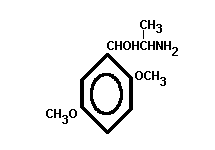
Methoxamine
Also known as: Methoxamin
Methoxamine (HCl) is a direct-acting a-1 receptor agonist. It may cause a prolonged increase in blood pressure via its vasoconstricting action. Methoxamine (HCl) is used parenterally , but clinical applications are rare and limited to hypotensive states, notably in general and spinal anaesthesia.
Primary Characteristics
Methoxamine is also known as Methoxamin, Methoxamine (HCl).
It is of Synthetic origin and belongs to Benzemethannol.
Molecular Weight: 247.7 · pKa: 9.2 · Solubility in Water: 1 in 2.5 · Solubility in Alcohol: 1 in 12 · Non-proprietary name: Methoxamine · pH: 4.
Pharmacokinetics
Distribution: Methoxamine has a plasma protein binding is low.
Elimination: it is metabolised via Liver, renal excretion is Renal.
Advertisement
Indications
Methoxamine is primarily indicated in conditions like Acute hypotension during epidural anesthesia, Acute hypotension during spinal anesthesia, Congenital heart disease, Hypotension associated with cardiopulmonary bypass, Hypotension during inhalational anesthesia, Hypotension induction, Hypotensive anaesthesia, Paroxysmal supraventricular tachycardia.
Contraindications
Methoxamine is contraindicated in conditions like Hypertension, Hyperthyroidism, Myocardial infarction, Coronary artery disease.
Dosage
Methoxamine's dosage details are as follows:
| Dose | Single Dose | Frequency | Route | Instructions |
|---|---|---|---|---|
| Adult Dosage | ||||
| 25 mg | 25 mg | — | IM | Should be given shortly before or at the time of administering spinal anesthesia to prevent a fall in blood pressure. |
| 3 – 5 mg | — | — | IV ing | Repeat dose should not be given until systole decrease to 70-80 mm/kg |
| Paediatric Dosage (20kg) | ||||
| 250 ug | 250 ug | — | IM | |
| 80 ug/kg | 80 ug/kg | — | IV | |
| Neonatal Dosage (3kg) | ||||
| No data. | ||||
Drug Interactions
Always consult your physician for the change of dose regimen or an alternative drug of choice that may strictly be required.
Side Effects
Methoxamine in overdosage may give rise to further complications which include Decreased plasma volume, Bradycardia .
Methoxamine produces potentially life-threatening effects which include Heart failure, Severe hypertension, Cerebrovascular accidents. Careful monitoring is needed with proper medical management.
The signs and symptoms that are produced after acute overdosage of Methoxamine are Bradycardia, Decreased blood flow to vital organs, Chest pain, Headache.
Methoxamine is known to cause more or less tolerable side effects which are usually transient. These include Anxiety, Headache, Hypertension , Micturition, Nausea, Nausea and vomiting, Piloerection , Sweating , Vasoconstriction , Vomiting .
Warnings / Precautions
Interference in Pathology
Methoxamine may interfere in the diagnosis of Increase level of plasma cortisol, Increases ACTH levels.
Available Brands
None recorded.
Storage Conditions
Drug Classification
- 1.12.8 — Other cardiovascular preparations
- 2.21.4.3 — Sympathomimetics