
Theophylline
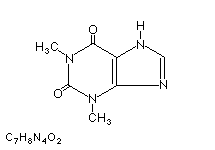
Theophylline is a 1, 3-dimethylxanthine. its major source is beverages (tea, cocoa and coffee). Theophylline is used as a bronchodilator. It improves breathing by opening air passages in the lungs. The importance of it in the treatment of asthma as a therapeutic agent is waning as the greater effectiveness of inhaled adrenoceptor agents for acute asthma and of inhaled anti-inflammatory agents for chronic asthma has been established.
Primary Characteristics
It is of Natural origin and belongs to Alkaloid.
It belongs to Phosphodiesterase inhibitor pharmacological group on the basis of mechanism of action and also classified in Bronchodilator pharmacological group.
Molecular Weight: 180.2 · pKa: 8.8 · Solubility in Water: slightly · Solubility in Alcohol: 1 in 80 · Non-proprietary name: Theophylline · pH: 8.9 · Isotonic value: 2.94.
Pharmacokinetics
Absorption: Theophylline has an oral bioavailability is 95% (±5%).
Distribution: Theophylline has a volume of distribution is 0.5 l/kg. plasma protein binding is 60 %.
Elimination: it is metabolised via Hepatic, plasma half-life is 1.4 - 12.8 hr, renal excretion is 10 %.
Advertisement
Indications
Theophylline is primarily indicated in conditions like Acute severe asthma, Apnoea of prematurity, Asthma, Obstructive airway disease, Reversible airways obstruction.
Theophylline is also indicated for secondary conditions like Cheyne stokes respiration.
Contraindications
None recorded.
Dosage
Theophylline's dosage details are as follows:
| Dose | Single Dose | Frequency | Route | Instructions |
|---|---|---|---|---|
| Adult Dosage | ||||
| 300 mg | 300 mg | — | PO | Should be given in divided doses. Frequency may be increased upto 4 times/day if needed. |
| Paediatric Dosage (20kg) | ||||
| 11 mg/kg | 11 mg/kg | Every 12h | Oral | SR Dose |
| Neonatal Dosage (3kg) | ||||
| No data. | ||||
Drug Interactions
Always consult your physician for the change of dose regimen or an alternative drug of choice that may strictly be required.
Side Effects
Theophylline produces potentially life-threatening effects which include Seizures , Cardiac arrhythmias, Neurotoxicity . Careful monitoring is needed with proper medical management.
The signs and symptoms that are produced after acute overdosage of Theophylline are Hypotension, Metabolic acidosis, Nausea & vomiting, Hypokalemia , Cardiac arrhythmias, GI hemorrhage, Rhabdomyolysis .
Theophylline is known to cause more or less tolerable side effects which are usually transient. These include Anorexia , Anxiety, Depression, Headache, Insomnia, Irritability, Nausea, Nervousness, Sinus tachycardia, Tremors.
Warnings / Precautions
Interference in Pathology
Theophylline may interfere in the diagnosis of Interfere with Bittner Method for Serum Uric Acid Measurement .
Available Brands
Click on a strength to view available brands.
Multi-Ingredient Combinations
Storage Conditions
Drug Classification
- 1.25.1.1 — Oral/Parenteral antiasthmatics