
Octreotide (Acetate)
Also known as: octreotide
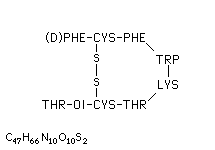
Octreotide (Acetate) is a parenteral synthetic analogue of the naturally occurring hormone somatostatin. The activity of octreotide is similar to that of somatostatin. Octreotide, however, has a longer half-life, greater selectivity for inhibiting glucagon, growth hormone, and insulin release, and a lower incidence of rebound hypersecretion following discontinuation. Based on this activity, octreotide has been approved for use in controlling the symptoms associated with vasoactive intestinal peptide tumors (VIPomas; watery diarrhea) and metastatic carcinoid tumors (flushing and diarrhea). Other non-approved uses of octreotide include AIDS-associated diarrhea, esophageal varices, and pituitary tumors (i.e., acromegaly and thyrotropinomas).
Primary Characteristics
Octreotide (Acetate) is also known as octreotide.
It is of Synthetic origin and belongs to Octapeptide.
It belongs to Somatostatin agonist pharmacological group on the basis of mechanism of action and also classified in Antidiarrhoeals pharmacological group.
Molecular Weight: 1019.3 · pKa: 6.8, 9.7 · Solubility in Water: > 1 in 100 · Non-proprietary name: Octreotide (Acetate).
Pharmacokinetics
Distribution: Octreotide (Acetate) has a volume of distribution is 0.27 l/kg. plasma protein binding is 65 %.
Elimination: it is metabolised via Not Established, plasma half-life is 85 min (I/V), 101 min (S/C), renal excretion is 32 %.
Advertisement
Indications
Octreotide (Acetate) is primarily indicated in conditions like Acromegaly, Adjunct in ganciclovir treatment, Carcinoid tumours, Glucagonoma, Hormone-mediated secretory diarrhea, To reduce intestinal secretions and vomiting (palliative care), Variceal bleeding, Vipoma.
Octreotide (Acetate) is also indicated for secondary conditions like Acromegaly (short-term treatment before pituitary surgery), Hormone-mediated secretory diarrhea (can be benefit in refactory cases), Symptoms associated with carcinoid tumours, To reduce intestinal secretions and vomiting.
Contraindications
None recorded.
Dosage
Octreotide (Acetate)'s dosage details are as follows:
| Dose | Single Dose | Frequency | Route | Instructions |
|---|---|---|---|---|
| Adult Dosage | ||||
| 0.125 mg | 0.125 mg | Every 8h | SC | |
| Paediatric Dosage (20kg) | ||||
| 0 – 0 | — | — | Not recommended for this age group | |
| Neonatal Dosage (3kg) | ||||
| 0 – 0 | — | — | Not recommended in this age group | |
Drug Interactions
Always consult your physician for the change of dose regimen or an alternative drug of choice that may strictly be required.
Side Effects
Octreotide (Acetate) in overdosage may give rise to further complications which include Gall stones .
Octreotide (Acetate) produces potentially life-threatening effects which include Hypoglycemia , Hypoglycemia, Hepatic dysfunction, Hypoglycemia, Acute pancreatitis. Careful monitoring is needed with proper medical management.
Octreotide (Acetate) is known to cause more or less tolerable side effects which are usually transient. These include Abdominal pain, Anorexia , Bloating , Flatulence, Local pain, Local reactions, Loose stools, Nausea and vomiting, Pain , Steatorrhea, Stinging, Tenderness , Tingling .
Warnings / Precautions
Available Brands
Click on a strength to view available brands.
Single Ingredient
Storage Conditions
Drug Classification
- 1.8.3 — Hormones and antihormones
- 2.10.5 — Drugs used in esophageal varices bleeding
- 3.18.1 — Corticosteroids, systemic