
Loratadine
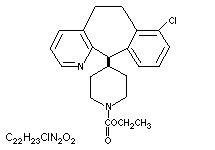
Loratadine is an oral non-sedating H 1-blocker that is similar in structure to cyproheptadine and azatadine, other H 1-blockers. It differs structurally from the other non-sedating HÀ-blockers terfenadine and astemizole. Due to poor penetration into the CNS and a low affinity for CNS H 1-receptors, CNS effects are less with it compared to the traditional H 1-blockers. It was approved by the FDA in April 1993 to relieve symptoms associated with seasonal allergic rhinitis. The mechanism of action is similar to other H1-blockers, it does not prevent the release of histamine but competes with free histamine for binding at the H1-receptor. This competitive antagonism blocks the effects of histamine on H1-receptors in the GI tract, uterus, large blood vessels, and bronchial muscle. It does not readily cross the blood-brain barrier, and it preferentially binds at H1-receptors in the periphery rather than within the brain, which probably accounts for some of its nonsedating character.
Primary Characteristics
It is of Synthetic origin and belongs to Piperidine carboxylate.
It belongs to H1-antagonist pharmacological group on the basis of mechanism of action.
Molecular Weight: 382.88 · pKa: 5.0 · Solubility in Water: insoluble · Solubility in Alcohol: 1 in 10 · Non-proprietary name: Loratadine.
Pharmacokinetics
Absorption: Loratadine has an oral bioavailability is 47% (±45%), pre-systemic (first-pass) metabolism accounts for 47% (±45%).
Distribution: Loratadine has a volume of distribution is 120l/kg. plasma protein binding is 97-99%.
Elimination: it is metabolised via Hepatic (extensively), plasma half-life is 3-20 hr, renal excretion is 27%.
Advertisement
Indications
Loratadine is primarily indicated in conditions like Chronic urticaria, Hay fever, NSAID associated ulceration, Perennial rhinitis, Seasonal allergic rhinitis, Skin allergies, Symptomatic relief of allergy.
Contraindications
Loratadine is contraindicated in conditions like Hypersensitivity.
Dosage
Loratadine's dosage details are as follows:
| Dose | Single Dose | Frequency | Route | Instructions |
|---|---|---|---|---|
| Adult Dosage | ||||
| 10 mg | 10 mg | Every 24h | PO | |
| Paediatric Dosage (20kg) | ||||
| 5 mg/kg | 5 mg/kg | Every 24h | Oral | Dose for 2-7 Yrs of Children |
| Neonatal Dosage (3kg) | ||||
| No data. | ||||
Drug Interactions
Always consult your physician for the change of dose regimen or an alternative drug of choice that may strictly be required.
Side Effects
Loratadine in overdosage may give rise to further complications which include Hypotension , Hair loss , Sinus tachycardia , Tinnitus , Insomnia , Blood dyscrasias , Tremors .
Loratadine produces potentially life-threatening effects which include QT prolongation. Careful monitoring is needed with proper medical management.
The signs and symptoms that are produced after acute overdosage of Loratadine are Drowsiness, Hyperpyrexia, Nausea, Ventricular arrhythmias, Hypotension, Hallucinations , Tremor, Tachycardia , Convulsions , Ataxia, Psychosis , Vomiting.
Loratadine is known to cause more or less tolerable side effects which are usually transient. These include Constipation , Diarrhea, Dizziness, Drowsiness, Dry mouth, Epigastric pain, Fatigue, gastric reflux, Headache, Nausea, Pruritus , Sedation , Vomiting .
Warnings / Precautions
Available Brands
Storage Conditions
Drug Classification
- 1.3 — Anti-allergics (Antihistamines) and drugs used in anaphylaxis
Manufacturers
Manufacturers of Loratadine in Pakistan: