
Lofepramine (HCl)
Also known as: Lopramine
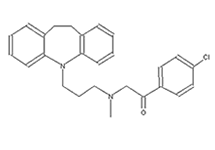
Lofepramine is a third generation tricyclic antidepressant used in the treatment of depressive disorders. It has both antidepressant and anxiolytic properties. Lofepramine is metabolized in vivo into desipramine; hence its pharmacological profile is extremely similar. Lofepramine (HCl) is a relatively new tricyclic antidepressant with a considerably lower toxicity than the classical antidepressants. It may also be effective to treat symptoms of depressive illness, sleep disorders, bed-wetting in children older than six year. Lofepramine (HCl) is not available in any combination preprations. Lofepramine (HCl) is administered orally.
Primary Characteristics
Lofepramine (HCl) is also known as Lopramine.
It is of Synthetic origin and belongs to dibenzazepine.
It belongs to Amine uptake inhibitor pharmacological group on the basis of mechanism of action and also classified in Tetracycylic Antidepressant pharmacological group. It is also classified under Psychotherapeutic Drugs .
Molecular Weight: 455.4 · pKa: 7.5 · Solubility in Water: sparingly soluble · Solubility in Alcohol: Very slightly soluble · Non-proprietary name: Lofepramine (HCl).
Pharmacokinetics
Distribution: Lofepramine (HCl) has a plasma protein binding is 99%.
Elimination: plasma half-life is 5 hr, renal excretion is Liver.
Advertisement
Indications
Lofepramine (HCl) is primarily indicated in conditions like Depression.
Lofepramine (HCl) is also indicated for secondary conditions like Obsessive-compulsive disorders.
Contraindications
Lofepramine (HCl) is contraindicated in conditions like Epilepsy, Mania, Myocardial infarction, Renal failure, Prostatic hypertrophy, Cardiovascular disease, Narrow-angle glaucoma, Cardiac dysrhythmias, Hypersensitivity, Pregnancy, Liver damage.
Dosage
Lofepramine (HCl)'s dosage details are as follows:
| Dose | Single Dose | Frequency | Route | Instructions |
|---|---|---|---|---|
| Adult Dosage | ||||
| 70 mg | 70 mg | — | Oral | 2 or 3 hours |
| 1.25 mg/kg | 1.25 mg/kg | Every 12h | PO | - |
| Paediatric Dosage (20kg) | ||||
| No data. | ||||
| Neonatal Dosage (3kg) | ||||
| No data. | ||||
Drug Interactions
Always consult your physician for the change of dose regimen or an alternative drug of choice that may strictly be required.
Side Effects
Lofepramine (HCl) in overdosage may give rise to further complications which include Thrombocytopenia , Jaundice , Jaundice , Eelvated hepatic enzymes .
The signs and symptoms that are produced after acute overdosage of Lofepramine (HCl) are Hypotension, Cardiac arrhythmias, Convulsions , Coma, Urinary retention, Palpitations , Metabolic acidosis, Mydriasis, Hyperreflexia , Sinus tachycardia, Increase blood sugar level, Hypertonia, hyperreflexia.
Lofepramine (HCl) is known to cause more or less tolerable side effects which are usually transient. These include Allergic skin reactions, Blurred vision, Blurring of vision, Constipation , Dizziness, Drowsiness, Dry mouth, Hypotension , Sedation , SweatingX, Tachycardia, Tremor, Urinary retention, Weight gain.
Warnings / Precautions
Interference in Pathology
Lofepramine (HCl) may interfere in the diagnosis of Thyroid Function Test.
Available Brands
None recorded.
Storage Conditions
Drug Classification
- 1.24.2.1 — Drugs used in depression