
Isradipine
Also known as: Isradipinum, Isradipin
Isradipine is a calcium-channel blocking agent of the dihydropyridine class similar to nifedipine, amlodipine, and felodipine. On a miligram-per-miligram basis, Isradipine is the mostpotent drug ?? of this class of drug.it was approved by the FDA in December 1990 for the treatment of hypertension. The mechanism of action is similar to other calcium-channel antagonists, acts by inhibiting the influx of extracellular calcium across the cell membrane of myocardial and vascular smooth muscle. The serum calcium levels remain unchanged. it increases myocardial oxygen supply (secondary to coronary vasodilation) and also decreases myocardial oxygen demand (secondary to decreased afterload and lack of an increase in heart rate). These effects seem to best explain the benefit of it and other dihydropyridines in the treatment of angina. It also causes vasodilation in coronary, skeletal, and cerebral vasculature.
Primary Characteristics
Isradipine is also known as Isradipinum, Isradipin.
It is of Synthetic origin and belongs to Dihydro Pyridine.
It belongs to Calcium L-channel antagonist pharmacological group on the basis of mechanism of action.
Molecular Weight: 371.4 · Solubility in Water: Insoluble · Solubility in Alcohol: high · Non-proprietary name: Isradipine.
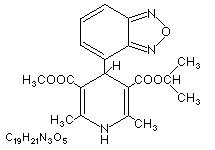
Pharmacokinetics
Absorption: Isradipine has an oral bioavailability is 85% (±5%), pre-systemic (first-pass) metabolism accounts for 41% (±41%).
Distribution: Isradipine has a volume of distribution is 283 litre. plasma protein binding is 95%.
Elimination: it is metabolised via Liver lextmsively, plasma half-life is 8hr and <4hr, renal excretion is 60-65%.
Advertisement
Indications
Isradipine is primarily indicated in conditions like Angina, Hypertension, Recent myocardial infarction.
Contraindications
Isradipine is contraindicated in conditions like Heart failure, Aortic stenosis, Sinus node disease.
Dosage
Isradipine's dosage details are as follows:
| Dose | Single Dose | Frequency | Route | Instructions |
|---|---|---|---|---|
| Adult Dosage | ||||
| 1.25 mg | 1.25 mg | Every 12h | In elderly pateint | |
| 2.5 – 10 mg | — | Every 12h | PO | |
| Paediatric Dosage (20kg) | ||||
| No data. | ||||
| Neonatal Dosage (3kg) | ||||
| No data. | ||||
Drug Interactions
Always consult your physician for the change of dose regimen or an alternative drug of choice that may strictly be required.
Side Effects
Isradipine in overdosage may give rise to further complications which include Sinus tachycardia , Hypotension , Hypotension , Angina , Bradyarrhythmias.
Isradipine produces potentially life-threatening effects which include Heart failure. Careful monitoring is needed with proper medical management.
The signs and symptoms that are produced after acute overdosage of Isradipine are Hypotension.
Isradipine is known to cause more or less tolerable side effects which are usually transient. These include Abdominal discomfort, dizziness, Dyspnea, Fatigue, Flushing, Gingival hyperplasia, Headache, Malaise, Palpitation, Peripheral edema, Polyuria, Pruritus , Skin rashes, Tachycardia, Weight gain.
Warnings / Precautions
Available Brands
None recorded.
Storage Conditions
Drug Classification
- 1.12.3.2 — Calcium antagonists