
Itraconazole
Also known as: Oriconazole
Itraconazole is a broad-spectrum antifungal agent for oral treatment of vulvovaginal candidiasis, pityriasis versicolor and dermatophytoses.itraconazole is a substituted triazole derivetive.itraconazoleactive against many Candida species, endemic mycoses and dermatophytes. Itraconazole is the most potent of available azoles, but effectiveness can be limited by reduced bioavailabilty. The requirement for intravenous administration and the toxicity of the older antifungal agents created a need for antifungal agents with a better therapeutic profile. The relatively non-toxic oral azole medications represent the first major advance in this direction. Since their introduction in the 1980s, these medications have played an increasingly important role in the systemic therapy of fungal disease.
Primary Characteristics
Itraconazole is also known as Oriconazole.
It is of Synthetic origin and belongs to Triazole.
It is classified in Antifungals pharmacological group.
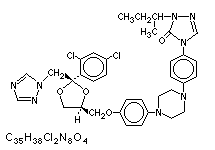
Molecular Weight: 705.6 · pKa: 3-4 · Solubility in Water: Insoluble · Solubility in Alcohol: Very slightly soluble · Non-proprietary name: Itraconazole.
Pharmacokinetics
Absorption: Itraconazole has an oral bioavailability is 42.5% (±42.5%), pre-systemic (first-pass) metabolism accounts for 22.5% (±22.5%).
Distribution: Itraconazole has a volume of distribution is 10.7 l/kg. plasma protein binding is 99.8%.
Elimination: it is metabolised via Hepatic, plasma half-life is 20 hr, renal excretion is 40% (inactive metabolite).
Advertisement
Indications
Itraconazole is primarily indicated in conditions like Advanced breast or prostate cancer, Antifungal prophylaxis, Candidiasis, Cryptcoccal meningitis, Dermatophytic infections, Histoplasmosis, Oculomycoses, Onychomycoses, Oral candidiasis, Oropharangeal candidiasis, Orophyrangeal candidiasis, Pityriasis versicolor, Sporotrichosis, Superficial candidiasis, Systemic mycoses, Tinea pedis, Tinae manuum, To reduce intestinal secretions and vomiting, To reduce intestinal secretions and vomiting (palliative care).
Itraconazole is also indicated for secondary conditions like Cushing`s syndrome due to malignant disease, Fungal keratitis, Leishmaniasis, Vulvo-vaginal candidosis.
Contraindications
Itraconazole is contraindicated in conditions like Hypersensitivity.
Dosage
Itraconazole's dosage details are as follows:
| Dose | Single Dose | Frequency | Route | Instructions |
|---|---|---|---|---|
| Adult Dosage | ||||
| 200 mg | 200 mg | Every 24h | PO | For a Week |
| Paediatric Dosage (20kg) | ||||
| 0 – 0 | — | — | Not recommended in this age group | |
| Neonatal Dosage (3kg) | ||||
| No data. | ||||
Drug Interactions
Always consult your physician for the change of dose regimen or an alternative drug of choice that may strictly be required.
Side Effects
Itraconazole in overdosage may give rise to further complications which include Hypotension , Hepatitis , Hypotension .
Itraconazole produces potentially life-threatening effects which include Dysrhythrics. Careful monitoring is needed with proper medical management.
The signs and symptoms that are produced after acute overdosage of Itraconazole are Constipation, Gastritis, Depression .
Itraconazole is known to cause more or less tolerable side effects which are usually transient. These include Abdominal pain, Diarrhea, Dizziness, Edema, Fatigue, Hair loss, Hallucination , Headache, Nausea, Photophobia , Pruritus , Somnolence , Vasculitis, Vertigo, Vomiting .
Warnings / Precautions
Interference in Pathology
Itraconazole may interfere in the diagnosis of Elevated liver enzymes.
Available Brands
Click on a strength to view available brands.
Single Ingredient
Storage Conditions
Drug Classification
- 1.6.3 — Antifungal drugs