
Glucose
Also known as: Dextrose, Glucose Anhydrous
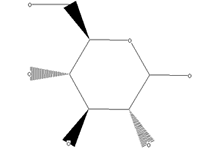
Glucose is aldohexose also known as dextrose, occuring as the D-form and found as a free monosaccharide in fruits and other plants and in the normal blood of all animals. Glucose is the chief source of energy for living organisms, its utilization is being controlled by insulin.
Primary Characteristics
Glucose is also known as Dextrose, Glucose Anhydrous.
It is of Synthetic origin and belongs to Carbohydrate.
It is classified in Parenteral Nutrition pharmacological group.
Molecular Weight: 180.2 · Solubility in Water: Freely Soluble · Solubility in Alcohol: Springly Soluble · Non-proprietary name: Glucose.
Pharmacokinetics
Absorption: Glucose has an oral bioavailability is 100%.
Distribution: Glucose has a volume of distribution is 11.4-24.5 litre. plasma protein binding is negligible.
Elimination: plasma half-life is 43 min.
Advertisement
Indications
Glucose is primarily indicated in conditions like Carbohydrate depletion, Dehydration, Energy source, Fluid depletion, Hypoglycaemia, Water replacement.
Glucose is also indicated for secondary conditions like Cerebral oedema, Varicose veins.
Contraindications
Glucose is contraindicated in conditions like Diabetes mellitus, Anuria, Thiamine deficiency, Trauma, Intracranial hemorrhage, Sepsis, Hypophosphataemia, Haemodilution, Acute ischaemic stroke.
Dosage
Glucose's dosage details are as follows:
| Dose | Single Dose | Frequency | Route | Instructions |
|---|---|---|---|---|
| Adult Dosage | ||||
| 5 – 50 % | — | — | IV Inf | As required |
| 500 – 800 mg/ kg/hr | — | — | IV Inf | As Required |
| Paediatric Dosage (20kg) | ||||
| No data. | ||||
| Neonatal Dosage (3kg) | ||||
| No data. | ||||
Drug Interactions
Always consult your physician for the change of dose regimen or an alternative drug of choice that may strictly be required.
Side Effects
Glucose in overdosage may give rise to further complications which include Seizures , Diabetes mellitus, Water intoxication , Anaphylactoid reactions .
Glucose produces potentially life-threatening effects which include Coma, Heart failure, Edema, Sodium retention. Careful monitoring is needed with proper medical management.
Glucose is known to cause more or less tolerable side effects which are usually transient. These include Hypokalemia , Hypomagnesemia, Hypophosphatemia, Pain at injection site, Paresthesias, Thrombophlebitis , Vein irritation.
Warnings / Precautions
Available Brands
Click on a strength to view available brands.
Single Ingredient
Multi-Ingredient Combinations
Storage Conditions
Drug Classification
- 1.26.2.2 — Caloric solutions
Manufacturers
Manufacturers of Glucose in Pakistan: