
Glipizide
Also known as: Glipizida, Glydiazinamide
Glipizide is oral hypoglycemic agent. Glipizide is used in the treatment of non-insulin dependent diabetes to reduce the high blood sugar level.
Primary Characteristics
Glipizide is also known as Glipizida, Glydiazinamide.
It is of Synthetic origin and belongs to Sulphonyl Urea.
It belongs to Potassium Channel (ATP sensitive) antagonist pharmacological group on the basis of mechanism of action and also classified in Antidiabetic Agent, Sulfonylurea pharmacological group.
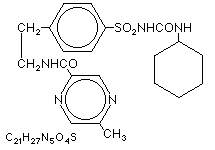
Molecular Weight: 445 · pKa: 5.9 · Solubility in Water: almost insoluble · Solubility in Alcohol: almost insoluble · Non-proprietary name: Glipizide.
Pharmacokinetics
Absorption: Glipizide has an oral bioavailability is 100%.
Distribution: Glipizide has a volume of distribution is 0.14 l/kg. plasma protein binding is >98%.
Elimination: it is metabolised via complete by Liver, plasma half-life is 2.4 hr, renal excretion is >80%.
Advertisement
Indications
Glipizide is primarily indicated in conditions like NIDDM, Non-insulin dependent diabetes mellitus, Type II diabetes mellitus.
Contraindications
Glipizide is contraindicated in conditions like Thyroid disease, Impaired hepatic function, Iddm, Impaired renal function.
Dosage
Glipizide's dosage details are as follows:
| Dose | Single Dose | Frequency | Route | Instructions |
|---|---|---|---|---|
| Adult Dosage | ||||
| 3.75 mg | 3.75 mg | Every 24h | PO | 30 min before breakfast. Max dose 40 mg. Dose >15 mg given in 2 divided doses. |
| Paediatric Dosage (20kg) | ||||
| 0 – 0 | — | — | — | Not Recommended in this Age Group |
| Neonatal Dosage (3kg) | ||||
| 0 – 0 | — | — | Not recommended in this age group | |
Drug Interactions
Always consult your physician for the change of dose regimen or an alternative drug of choice that may strictly be required.
Side Effects
Glipizide produces potentially life-threatening effects which include Agranulocytosis, Thrombocytopenia , Hypoglycemia , Hypoglycemia, Toxic hepatitis, Hypoglycemia, Gastroenteritis . Careful monitoring is needed with proper medical management.
The signs and symptoms that are produced after acute overdosage of Glipizide are Hypoglycemic sezure, hypoglycemic coma.
Glipizide is known to cause more or less tolerable side effects which are usually transient. These include Allergic skin reactions.
Warnings / Precautions
Interference in Pathology
Glipizide may interfere in the diagnosis of Monitoring of blood and urine glucose.
Available Brands
Storage Conditions
Drug Classification
- 1.18.7.2 — Oral hypoglycemics