
Doxapram
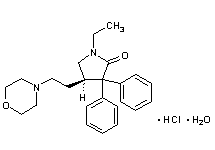
Doxapram (HCl) is a central nervous system stimulant and is used to stimulate respiration in post-anesthesia, chronic pulmonary disease etc. Administered intravenously.
Primary Characteristics
Doxapram is also known as Doxapram (HCl).
It is of Synthetic origin and belongs to Phenyl pyrolidine.
It belongs to Respiratory Stimulants pharmacological group on the basis of mechanism of action. It is also classified under CNS Stimulant .
Molecular Weight: 433 · Solubility in Water: sparingly soluble (Doxapram (HCl 1 in 50)) · Solubility in Alcohol: sparingly soluble (Doxapram (HCl) >1 in 100) · Non-proprietary name: Doxapram · pH: 3.5.
Pharmacokinetics
Distribution: Doxapram has a volume of distribution is 1.5l/kg.
Elimination: it is metabolised via liver, plasma half-life is 3.4hrs.
Advertisement
Indications
Doxapram is primarily indicated in conditions like Lung damage, Lung infection, Respiratory depression, Respiratory failure.
Doxapram is also indicated for secondary conditions like Neonatal apnea.
Contraindications
Doxapram is contraindicated in conditions like Cerebral oedema, Epilepsy, Hypertension, Hyperthyroidism, Phaeochromocytoma, Convulsions, Obstructive airway disease, Heart disease, Cerebrovascular accident, Coronary artery disease, Hypersensitivity, Neonates.
Dosage
Doxapram's dosage details are as follows:
| Dose | Single Dose | Frequency | Route | Instructions |
|---|---|---|---|---|
| Adult Dosage | ||||
| 0.039 mg/kg.min | 0.039 mg/kg.min | — | IV | As Required |
| 1.25 mg/kg | 1.25 mg/kg | — | IV | postoperative respiratory deprssion |
| 1.5 mg/kg/hr | 1.5 mg/kg/hr | — | IV | for apnoea in combination of therapeutic drug of theophylin & caffeine. |
| 2.75 mg/min | 2.75 mg/min | — | IV | for hypexemia |
| Paediatric Dosage (20kg) | ||||
| No data. | ||||
| Neonatal Dosage (3kg) | ||||
| No data. | ||||
Drug Interactions
Always consult your physician for the change of dose regimen or an alternative drug of choice that may strictly be required.
Side Effects
Doxapram in overdosage may give rise to further complications which include Fever , Allergic reactions , Hepatic necrosis , Seizures , Hypertension , Chest pain , Irregular heart beat.
Doxapram produces potentially life-threatening effects which include Respiratory Failure , Respiratory failure, Hypoxemia , Hypoxemia. Careful monitoring is needed with proper medical management.
The signs and symptoms that are produced after acute overdosage of Doxapram are Tachycardia , Confusion , Sweating , Agitation, Hypertension, Sweating, Fasciculation of skeletal muscles, Cough , Dyspnea.
Doxapram is known to cause more or less tolerable side effects which are usually transient. These include Bronchospasm, Confusion, Cough , Coughing, Diarrhea, Dizziness, Dyspnea, Headache, Hiccups, Itching, Laryngospasm , Micturition problems, Nausea, Nausea and vomiting, Skin sensitization, Sweating , Vomiting .
Warnings / Precautions
Interference in Pathology
Doxapram may interfere in the diagnosis of Heart function test.
Available Brands
None recorded.
Storage Conditions
Drug Classification
- 1.24.5 — Psychostimulants, nootropics, and neurotonics
- 2.25.6 — Respiratory stimulants and pulmonary surfactants