
Diphenoxylate (HCl)
Diphenoxylate (HCl) is a synthetic derivative of pethidine with little or no analgesic activity. It reduces the gut motility and is used to treat diarrhea.
Primary Characteristics
Diphenoxylate (HCl) is also known as Diphenoxylate.
It is of Synthetic origin and belongs to Meperidine.
It belongs to OPIATE agonist (peripheral) pharmacological group on the basis of mechanism of action and also classified in Antidiarrhoeals pharmacological group.
Molecular Weight: 489.1 · pKa: 7.1 · Solubility in Water: slightly soluble · Solubility in Alcohol: 1 in 50 · Non-proprietary name: Diphenoxylate (HCl).
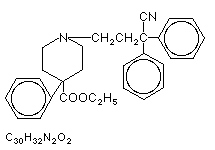
Pharmacokinetics
Distribution: Diphenoxylate (HCl) has a volume of distribution is 324 ± 54 litre.
Elimination: it is metabolised via Hepatic, plasma half-life is 1.9-3.1hr, renal excretion is Partial (lessex).
Advertisement
Indications
Diphenoxylate (HCl) is primarily indicated in conditions like Diarrhoea.
Contraindications
Diphenoxylate (HCl) is contraindicated in conditions like Ulcerative colitis, Pseudomembranous colitis, Intestinal obstruction, Colitis, Crohn's disease, Hepatic dysfunction.
Dosage
Diphenoxylate (HCl)'s dosage details are as follows:
| Dose | Single Dose | Frequency | Route | Instructions |
|---|---|---|---|---|
| Adult Dosage | ||||
| 5 – 20 mg | — | — | Chronic diarrhea. | |
| 5 mg | 5 mg | Every 8h | PO | Maintenance, As Required , For acute diarrhea. |
| 10 mg | 10 mg | — | PO | Initial |
| Paediatric Dosage (20kg) | ||||
| 0.166 mg/kg | 0.166 mg/kg | Every 8h | Oral | Not recommended below 4Yrs .Dose for 4--8 yrs. |
| Neonatal Dosage (3kg) | ||||
| 0 – 0 | — | — | Not recommended under 4 yrs. of children | |
Drug Interactions
Always consult your physician for the change of dose regimen or an alternative drug of choice that may strictly be required.
Side Effects
Diphenoxylate (HCl) in overdosage may give rise to further complications which include Pancreatitis , Paralytic ileus , Hyperglycemia , Hemorrhagic colitis , Hyperglycemia, Hemorrhagic colitis, Toxic megacolon.
Diphenoxylate (HCl) produces potentially life-threatening effects which include Anaphylactoid reactions , Pseudomembranous colitis , Portosystemic encephalopathy , Inflammatory bowel disease, Portosystemic encephalopathy. Careful monitoring is needed with proper medical management.
The signs and symptoms that are produced after acute overdosage of Diphenoxylate (HCl) are Flushing, Tachycardia , Coma, Hyperthermia, Urinary retention, Respiratory depression, Respiratory depression, Nystagmus, Lethargy, Pinpoint pupils, Dry mucous membrane, Hypotonic reflexes, Narcosis , Respiratory depression.
Diphenoxylate (HCl) is known to cause more or less tolerable side effects which are usually transient. These include Abdominal distension, Angioedema, Anorexia , Confusion, Depression, Dizziness, Drowsiness, Euphoria, Gum swelling, Hallucination , Headache, Hypersensitivity reactions, Lethargy, Malaise, Nausea, Paralytic ileus, Pruritus , Restlessness, Sedation , SomnolenceX, Toxic megacolon, Urticaria, Vomiting .
Warnings / Precautions
Interference in Pathology
Diphenoxylate (HCl) may interfere in the diagnosis of False +ve result in screening tests for the presence of barbiturates in serum .
Available Brands
Storage Conditions
Drug Classification
- 1.17.7.2 — Antidiarrheals