
Diphenhydramine
Diphenhydramine is H1 antihistiminic agent. Diphenhydramine is used to relief the symptoms of allergic reactions such as rash, hives, watery eyes, runny nose, itchy eyes and sneezing. Diphenhydramine is also used to treat motion sickness, anxiety, tension, sleeplessness or involuntary movements due to the side effects of psychiatric drugs.
Primary Characteristics
Diphenhydramine is also known as Diphenhydramine Hcl.
It is of Synthetic origin and belongs to Benzoalkylamine.
It belongs to H1-antagonist pharmacological group on the basis of mechanism of action and also classified in sedative pharmacological group.
Molecular Weight: 291.8 · pKa: 9.0 · Solubility in Water: Very soluble · Solubility in Alcohol: Freely soluble · Non-proprietary name: Diphenhydramine · pH: 5.5 · Isotonic value: 5.7.
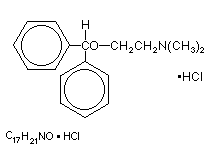
Pharmacokinetics
Absorption: Diphenhydramine has an oral bioavailability is 92.5% (±2.5%), pre-systemic (first-pass) metabolism accounts for 50%.
Distribution: Diphenhydramine has a volume of distribution is 3.28 l/kg. plasma protein binding is 85-98%.
Elimination: it is metabolised via extensive by liver, plasma half-life is 3.3 hr, renal excretion is 65%.
Advertisement
Indications
Diphenhydramine is primarily indicated in conditions like Anaphylactic reactions, Angioneurotic edema, Antiemetic poisoning, Conjuctivitis, Cough, Menieres disease, Motion sickness, Parkinsonism, Perennial rhinitis, Pruritus, Seasonal rhinitis, Urticaria, Vasomotor rhinitis.
Diphenhydramine is also indicated for secondary conditions like Extrapyramidal disorders, Nausea and vomiting, Vertigo.
Contraindications
Diphenhydramine is contraindicated in conditions like Glucoma, Urinary retention.
Dosage
Diphenhydramine's dosage details are as follows:
| Dose | Single Dose | Frequency | Route | Instructions |
|---|---|---|---|---|
| Adult Dosage | ||||
| 20 – 50 mg | — | Every 3h | PO,IV,IM | |
| Paediatric Dosage (20kg) | ||||
| 1.875 mg/kg | 1.875 mg/kg | Every 8h | Oral | |
| Neonatal Dosage (3kg) | ||||
| No data. | ||||
Drug Interactions
Always consult your physician for the change of dose regimen or an alternative drug of choice that may strictly be required.
Side Effects
The signs and symptoms that are produced after acute overdosage of Diphenhydramine are Flushing, Nausea, Tachycardia , Convulsions , Coma, Drowsiness, Drowsiness, Cardiorespiratory depression, Dry mouth, Urinary retention, Hallucinations , Fever, Dilated pupils, Ataxia, Headache, Cardiorespiratory depression.
Diphenhydramine is known to cause more or less tolerable side effects which are usually transient. These include Ataxia, Blurred vision, Dermatitis, Diplopia, Dizziness, Epigastric pain, Euphoria, Fatigue, Nausea and vomiting, Nervousness, Sedation , Tinnitus, Tiredness , Tremors.
Warnings / Precautions
Interference in Pathology
Diphenhydramine may interfere in the diagnosis of Wheal formation in Skin Sensitizing Test. , Determination of plasma theophylline levels by radioimmunoassay. .
Available Brands
Click on a strength to view available brands.
Single Ingredient
Multi-Ingredient Combinations
Storage Conditions
Drug Classification
- 1.3 — Anti-allergics (Antihistamines) and drugs used in anaphylaxis
- 2.25.2.3 — Cough sedatives
Manufacturers
Manufacturers of Diphenhydramine in Pakistan: