
Chloroquine
Also known as: Chloroquina
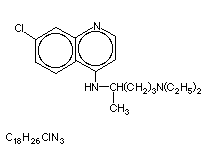
Chloroquine is a synthetic 4-aminoquinoline compound. It has antiprotozoal and anti-inflammatory properties. Chloroquine is formulated as phosphate salt for oral use and as hydrochloride for parentral use. Chloroquine is effective for the suppression and treatment of malaria and as an antiinflammatory in the treatment of rheumatoid arthritis. It is also used to treat amebiasis.
Primary Characteristics
Chloroquine is also known as Chloroquina , Chloroquine Phosphate, Chloroquine Sulphate.
It is of Synthetic origin.
It belongs to Antiplasmodial pharmacological group on the basis of mechanism of action and also classified in Antimalarial Agent pharmacological group.
pKa: 8.4,10 · Solubility in Water: very slightly soluble · Solubility in Alcohol: slightly soluble · Non-proprietary name: Chloroquine.
Pharmacokinetics
None recorded.
Advertisement
Indications
Chloroquine is primarily indicated in conditions like Adjunctive therapy without valproate, Amoebiasis, Cutaneous sarcoidosis, Discoid lupus erythematosus, Giardiasis, Malaria, Nocturia associated with multiple sclerosis, Polymorphous light eruption, Porphyria cutanea tarda, Protozoa infection, Rheumatoid arthritis, Solar urticaria, Systemic and discoid lupus erythematosus, Systemic lupus erythematosus, To reduce degradation of pancreatic enzyme supplements, Urticaria.
Chloroquine is also indicated for secondary conditions like Porphyria, Scleroderma.
Contraindications
Chloroquine is contraindicated in conditions like Anaemia, Psoriasis, Porphyrias, Leukopenia, Seizures, Retinal damage, Hypersensitivity, Alcohol abuse, Breast feeding.
Dosage
Chloroquine's dosage details are as follows:
| Dose | Single Dose | Frequency | Route | Instructions |
|---|---|---|---|---|
| Adult Dosage | ||||
| 25 mg /kg | 25 mg /kg | — | IV Inf | In several infusions over 30 to 32 hours in severe and complicated malaria when patient is unable to take oral medication |
| 300 mg | 300 mg | — | PO | Maintenance After 6 hrs of initial dose, then OD for 2 days |
| 500 mg | 500 mg | — | PO | Dose for Chloroquine phosphate: This dose is recommended in malaria and it should be given at the same day of each week. |
| Paediatric Dosage (20kg) | ||||
| 3 mg/kg | 3 mg/kg | — | oral | for lupus erythematosis light sensitive skin eruption. |
| 5 mg/kg | 5 mg/kg | Every 24h | Oral | Maintenance after 6 hours of initial, for 2 days |
| 12 mg/kg | 12 mg/kg | Every 24h | Oral | Initially for Once |
| Neonatal Dosage (3kg) | ||||
| 6 mg/kg | 6 mg/kg | Every 24h | Oral | Maintenance after 6 hours of initial, for 2 days |
| 12 mg/kg | 12 mg/kg | — | Oral | Initially for Once |
Drug Interactions
Always consult your physician for the change of dose regimen or an alternative drug of choice that may strictly be required.
Side Effects
Chloroquine in overdosage may give rise to further complications which include Blurred vision , Fever , Retinopathy , Gastrointestinal upset, Agitation , Seizures , Pruritis .
Chloroquine produces potentially life-threatening effects which include Convulsions , Postural hypotension, Aplastic Anemia , CVS depression, Cardiopulmonary arrest, Psychosis, Aplastic anemia, Postural hypotension. Careful monitoring is needed with proper medical management.
The signs and symptoms that are produced after acute overdosage of Chloroquine are Dysphagia, Fatal poisoning, Convulsions , Cardiopulmonary arrest, Hoarseness, Nausea, Coma, Nausea & vomiting, Drowsiness, Drowsiness, Visual distrubances, Vomiting, Tremor, Headache, Dyspnea, Weakness .
Chloroquine is known to cause more or less tolerable side effects which are usually transient. These include Abdominal pain, Bleaching of hair, Blurred vision, Diarrhea, Dizziness, Hair loss, Headache, Itching, Loss of appetite, Nausea, Rashes , Skin eruptions, Urticaria, Vomiting .
Warnings / Precautions
Interference in Pathology
Chloroquine may interfere in the diagnosis of Interfere with the measurement of Urinary Alkaloids by TLC .
Available Brands
Storage Conditions
Drug Classification
- 1.6.4.3 — Antimalarials
Manufacturers
Manufacturers of Chloroquine in Pakistan: