
Flavoxate (HCl)
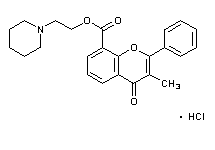
Flavoxate (HCl) is antispasmodic agent. It relaxes the muscles of the urinary tract. Flavoxate (HCl) is used to relieve pain, burning, urinary urgency and frequency associated with urinary tract, bladder and prostate infections.
Primary Characteristics
It belongs to Piperidine.
It belongs to Cholinergic muscarinic antagonist pharmacological group on the basis of mechanism of action and also classified in Antispasmodic Agent, Urinary pharmacological group. It is also classified under Antidotes .
Molecular Weight: 427.9 · pKa: 7.3 · Solubility in Water: Slightly Soluble · Solubility in Alcohol: Slightly Soluble · Non-proprietary name: Flavoxate (HCl) · pH: 4.
Pharmacokinetics
Absorption: Flavoxate (HCl) has an oral bioavailability is 45% (±45%).
Distribution: Flavoxate (HCl) has a volume of distribution is 2.89 l/kg. plasma protein binding is about 90%.
Elimination: it is metabolised via by Liver, plasma half-life is 2-3 minutes, renal excretion is 55%.
Advertisement
Indications
Flavoxate (HCl) is primarily indicated in conditions like Bladder spasm due to catheterization, Dysuria, Fatigue, Nocturia, Pain, Prostatitis, Sedation, Spasticity, Urethritis, Urethrocystitis, Urethrotrigonitis, Urgency and incontinence.
Contraindications
Flavoxate (HCl) is contraindicated in conditions like GI ulceration, Pyloric disease, Obstructive uropathy, GI obstruction.
Dosage
Flavoxate (HCl)'s dosage details are as follows:
| Dose | Single Dose | Frequency | Route | Instructions |
|---|---|---|---|---|
| Adult Dosage | ||||
| 150 mg | 150 mg | Every 8h | PO | |
| Paediatric Dosage (20kg) | ||||
| 0 – 0 | — | — | — | Not Recommended in this Age Group |
| Neonatal Dosage (3kg) | ||||
| No data. | ||||
Drug Interactions
Always consult your physician for the change of dose regimen or an alternative drug of choice that may strictly be required.
Side Effects
Flavoxate (HCl) in overdosage may give rise to further complications which include Eosinophilia , Eosinophilia , Leucopenia.
Flavoxate (HCl) produces potentially life-threatening effects which include Hyperkalemia , Anaphylaxis , Hyperkalemia, Malignant hyperthermia, Toxic Megacelon, Gastrointestinal hypomotility. Careful monitoring is needed with proper medical management.
The signs and symptoms that are produced after acute overdosage of Flavoxate (HCl) are Coma, Hyperthermia, Tachycardia, Mood swings and acute Psychosis, Agitation, Dysarthria , Anxiety , Agitation, Decreased consious ness, Death nay also occur.
Flavoxate (HCl) is known to cause more or less tolerable side effects which are usually transient. These include Constipation , Drowsiness, Fever, Headache, Increased intraocular pressure, Nausea and vomiting, Nervousness, Palpitation, Tachycardia, VertigoX, Xerostomia .
Warnings / Precautions
Interference in Pathology
Flavoxate (HCl) may interfere in the diagnosis of Interference in Urination, Complications in blader, Interference with the tubulin microtubule equilibirium, Interference in the Protein folding w/c occurs in the synthesis of melonin.
Available Brands
Storage Conditions
Drug Classification
- 1.29 — Drugs used in renal, bladder, and prostatic disorders