
Allantoin
Also known as: Glyoxyldiureide
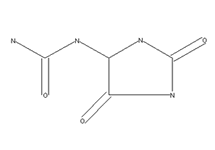
Chemically Allantoin is identified as 5-Ureidohydantoin, prepared by oxidation of uric acid. In World War I it was noticed that maggot-infested wounds seemed to heal better than uninfested wounds and this effect attributed to it produced by maggots. It acts as a vulnerary agent topically. It stimulate tissue repair in wounds and various dermatological infections.
Primary Characteristics
Allantoin is also known as Glyoxyldiureide.
It is of Synthetic origin and belongs to Dioxoimidazolidin Urea.
It is classified in Antipsoriatics pharmacological group. It is also classified under Dermatological Products .
Molecular Weight: 158.1 · Solubility in Water: slightly · Solubility in Alcohol: very slightly · Non-proprietary name: Allantoin.
Pharmacokinetics
None recorded.
Advertisement
Indications
Allantoin is primarily indicated in conditions like Haemorrhoids, Psoriasis, Skin diseases.
Contraindications
Allantoin is contraindicated in conditions like Acute psoriasis.
Dosage
Allantoin's dosage details are as follows:
| Dose | Single Dose | Frequency | Route | Instructions |
|---|---|---|---|---|
| Adult Dosage | ||||
| 0.5 % | 0.5 % | Every 8h | Topical | As Required |
| Paediatric Dosage (20kg) | ||||
| No data. | ||||
| Neonatal Dosage (3kg) | ||||
| No data. | ||||
Drug Interactions
None recorded.
Side Effects
Allantoin is known to cause more or less tolerable side effects which are usually transient. These include Photosensitivity, Skin irritation.
Warnings / Precautions
Available Brands
Storage Conditions
Drug Classification
- 1.17.3 — Antihemorrhoidals