
Tiaprofenic Acid
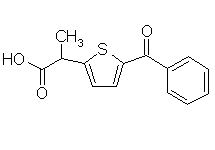
Tiaprofenic Acid is NSAID ( non steroidal antinflammatory drug), similar to ibuprofen. It reduces inflammation and fever and relieves pain. Tiaprofenic Acid is also used in the treatment of arthritis, headaches and menstrual cramps.
Primary Characteristics
It is of Synthetic origin and belongs to Propionic Acid.
It belongs to Cyclo-oxygenase inhibitor pharmacological group on the basis of mechanism of action. It is also classified under Analgesics and Anti-inflammatory Agents .
Molecular Weight: 260.3 · pKa: 3.0 · Solubility in Water: sparingly · Solubility in Alcohol: 1 in 5 · Non-proprietary name: Tiaprofenic Acid.
Pharmacokinetics
Distribution: Tiaprofenic Acid has a plasma protein binding is 97 - 98 %.
Elimination: plasma half-life is 1.5 - 2 hr, renal excretion is 60 %.
Advertisement
Indications
Tiaprofenic Acid is primarily indicated in conditions like Ankylosing spondylitis, Musculoskeletal disorders, Nausea and vomiting (palliative care), Osteoarthritis, Pain, Rheumatoid arthritis.
Contraindications
Tiaprofenic Acid is contraindicated in conditions like Peptic ulcer, Renal diseases.
Dosage
Tiaprofenic Acid's dosage details are as follows:
| Dose | Single Dose | Frequency | Route | Instructions |
|---|---|---|---|---|
| Adult Dosage | ||||
| 300 mg | 300 mg | Every 12h | PO | |
| Paediatric Dosage (20kg) | ||||
| 0 – 0 | — | — | Not recommended in this age group | |
| Neonatal Dosage (3kg) | ||||
| 0 – 0 | — | — | Not recommended in this age group | |
Drug Interactions
Always consult your physician for the change of dose regimen or an alternative drug of choice that may strictly be required.
Side Effects
Tiaprofenic Acid produces potentially life-threatening effects which include Hemorrhage , Agranulocytosis, Renal failure, Hepatic failure. Careful monitoring is needed with proper medical management.
The signs and symptoms that are produced after acute overdosage of Tiaprofenic Acid are Epigastric pain, Nausea.
Tiaprofenic Acid is known to cause more or less tolerable side effects which are usually transient. These include Drowsiness, Gastritis, Heart burn, Nausea and vomiting, Paresthesias, Skin rashes, SweatingX.
Warnings / Precautions
Interference in Pathology
Tiaprofenic Acid may interfere in the diagnosis of Zimmerman Reaction .
Available Brands
None recorded.
Storage Conditions
Drug Classification
- 1.2.1.3 — Non steroidal anti-inflammatory drugs (NSAIDs)