
Sulphamethoxazole
Also known as: Sulfamethoxazole
Sulphamethoxazole is antibacterial sulfonamide. Sulphamethoxazole is classified as an intermediate-acting sulfonamide and is longer-acting than sulfisoxazole, which allows it to be given 2-3 times daily, possibly aiding in compliance. Although it was once an extremely useful antibiotic, the development of resistance and the availability of newer agents has made sulfamethoxazole almost obsolete as a single agent. Today, clinical use of sulfamethoxazole occurs primarily in combination with trimethoprim. It was approved by the FDA in 1961 as an antibecterial agent. Sulphamethoxazole is effective against gram positive, gram negative bacteria and some protozoan.
Primary Characteristics
Sulphamethoxazole is also known as Sulfamethoxazole.
It is of Synthetic origin and belongs to Sulphonamide.
It belongs to Dihyropteroate synthetase inhibitor pharmacological group on the basis of mechanism of action and also classified in Antibacterial pharmacological group.
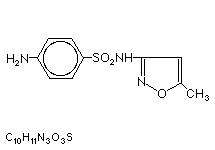
Molecular Weight: 253.3 · pKa: 5.7 · Solubility in Water: 1 in 3400 · Solubility in Alcohol: 1 in 50 · Non-proprietary name: Sulphamethoxazole.
Pharmacokinetics
Absorption: Sulphamethoxazole has an oral bioavailability is 100%.
Distribution: Sulphamethoxazole has a volume of distribution is 0.21 l/kg. plasma protein binding is 65%.
Elimination: it is metabolised via Hepatic, plasma half-life is 7-12 hr, renal excretion is 80 - 85%.
Advertisement
Indications
Sulphamethoxazole is primarily indicated in conditions like Bacterial infections, Lymphogranuloma venereum, Respiratory tract infections, Urinary tract infection.
Contraindications
Sulphamethoxazole is contraindicated in conditions like Renal diseases, Liver diseases.
Dosage
Sulphamethoxazole's dosage details are as follows:
| Dose | Single Dose | Frequency | Route | Instructions |
|---|---|---|---|---|
| Adult Dosage | ||||
| 800 mg | 800 mg | Every 12h | PO | In Combination with trimethoprim 160 mg/day. |
| Paediatric Dosage (20kg) | ||||
| 27.5 mg/kg | 27.5 mg/kg | Every 12h | Oral | Maintenance, As required |
| 55 mg/kg | 55 mg/kg | Every 24h | Oral | Initial |
| Neonatal Dosage (3kg) | ||||
| 0 – 0 | — | — | Should not be used in this age group | |
Drug Interactions
Always consult your physician for the change of dose regimen or an alternative drug of choice that may strictly be required.
Side Effects
Sulphamethoxazole in overdosage may give rise to further complications which include Crystalluria , Renal failure , Hepatic damage .
Sulphamethoxazole produces potentially life-threatening effects which include Stevens Johnson syndrome. Careful monitoring is needed with proper medical management.
The signs and symptoms that are produced after acute overdosage of Sulphamethoxazole are Vomiting, Confusion , Nausea, Dizziness, Abdominal pain.
Sulphamethoxazole is known to cause more or less tolerable side effects which are usually transient. These include Eosinophilia, Hematological disorder, Hemolytic anemia, Hypoprothrombinemia, Rashes , Serum sickness, Thrombocytopenia.
Warnings / Precautions
Interference in Pathology
Sulphamethoxazole may interfere in the diagnosis of Measurement of serum Theophylline levels by HPLC .
Available Brands
Click on a strength to view available brands.
Multi-Ingredient Combinations
Storage Conditions
Drug Classification
- 1.6.2.2.8 — Sulphonamides and trimethoprim
- 2.6.4.5 — Antipneumocystosis and antitoxoplasmosis drugs
Manufacturers
Manufacturers of Sulphamethoxazole in Pakistan: