
Pentobarbitone (Na)
Also known as: Pentobarbital
Pentobarbitone (Na) is a barbiturate, used as a sedative or hypnotic and as a pre-anesthetic drug.
Primary Characteristics
Pentobarbitone (Na) is also known as Pentobarbital .
It is of Natural origin and belongs to Barbiturate.
It belongs to Chloride Channel opener (Gaba operated) pharmacological group on the basis of mechanism of action. It is also classified under Sedatives and Hypnotics .
Molecular Weight: 248.3 · pKa: 8.1 · Solubility in Water: very soluble · Solubility in Alcohol: 1 in 5 · Non-proprietary name: Pentobarbitone (Na) · pH: 9.9 · Isotonic value: 4.07.
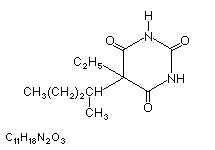
Pharmacokinetics
Absorption: Pentobarbitone (Na) has an oral bioavailability is 100%.
Distribution: Pentobarbitone (Na) has a volume of distribution is 1 l/kg. plasma protein binding is 60 %.
Elimination: it is metabolised via hepatic, plasma half-life is 20 - 30 hr.
Advertisement
Indications
Pentobarbitone (Na) is primarily indicated in conditions like Insomnia.
Pentobarbitone (Na) is also indicated for secondary conditions like Raised intracranial pressure.
Contraindications
Pentobarbitone (Na) is contraindicated in conditions like Pain, Pulmonary insufficiency, Porphyria, Sleep apnea syndrome.
Dosage
Pentobarbitone (Na)'s dosage details are as follows:
| Dose | Single Dose | Frequency | Route | Instructions |
|---|---|---|---|---|
| Adult Dosage | ||||
| 2.142 mg/kg | 2.142 mg/kg | — | PO | At bed time |
| Paediatric Dosage (20kg) | ||||
| 0 – 0 | — | — | Should not be used in children | |
| Neonatal Dosage (3kg) | ||||
| 0 – 0 | — | — | Should not be used in children | |
Drug Interactions
Always consult your physician for the change of dose regimen or an alternative drug of choice that may strictly be required.
Side Effects
Pentobarbitone (Na) in overdosage may give rise to further complications which include Angioneurotic edema, Arthritic pain , Ataxia , Fever , Myalgia , Neuralgia , Slurred speech , Skin reactions , Sedation , Megaloblastic anemia.
Pentobarbitone (Na) produces potentially life-threatening effects which include Carcinogenicity, Impaired conciousness. Careful monitoring is needed with proper medical management.
The signs and symptoms that are produced after acute overdosage of Pentobarbitone (Na) are Bradycardia, Hypotension, Coma, Respiratory depression, Hypothermia, Oliguria, Hyper-reflexia, Cardiac depression, Pupillary constriction, Miosis, Renal failure, Shock, CNS depression.
Pentobarbitone (Na) is known to cause more or less tolerable side effects which are usually transient. These include Confusion, Drowsiness, Excitement, Headache, Loss of memory, Nausea, Photosensitivity, Sedation , Unsteadiness , VertigoX.
Warnings / Precautions
Available Brands
None recorded.
Storage Conditions
Drug Classification
- 1.5 — Anticonvulsants and Antiepileptics
- 2.24.3 — Drugs used in anxiety and sleep disorders