
Naltrexone
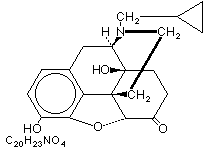
Naltrexone is oral opiate receptor antagonist. Naltrexone is derived from thebaine and is extremely similar in structure to oxymorphone. Like parenteral naloxone, Naltrexone is a pure antagonist (i.e., agonist actions are not apparent) but has better oral bioavailability and much longer duration of action than naloxone. Clinically, Naltrexone is used to help maintain an opiate-free state in patients who are known opiate abusers. It was approved by the FDA in 1984, and for the treatment of alcoholism, it was approved in january 17, 1995. Like naloxone, Naltrexone is a competitive antagonist at opiate receptor subtypes µ, , and Like naloxone, Naltrexone is a competitive antagonist at opiate receptor subtypes µ, ? and d. It can either prevent or displace opiate agonists from binding at these receptors. It does not antagonize the effects of non-opiates such as cocaine, ethanol, amphetamines, barbiturates, or benzodiazepines.
Primary Characteristics
It is of Synthetic origin and belongs to Cyclopropane.
It belongs to OPIATE antagonist pharmacological group on the basis of mechanism of action and also classified in Antidotes pharmacological group.
Molecular Weight: 341.4 · pKa: 8.13 · Non-proprietary name: Naltrexone.
Pharmacokinetics
Absorption: Naltrexone has an oral bioavailability is 100%, pre-systemic (first-pass) metabolism accounts for 95%.
Distribution: Naltrexone has a volume of distribution is 15 l/kg. plasma protein binding is 20 %.
Elimination: it is metabolised via Glucoronide conjugation in liver, plasma half-life is 5.7 hr (1.1-10.3), renal excretion is 55 % (40-70%) in urine.
Advertisement
Indications
Naltrexone is primarily indicated in conditions like Adjunct to prevent relapse, Amenorrhoea, Heart failure, Induction of ovulation, Opioid addiction, Supraventricular arrhythmias (particularly atrial fibrillation).
Naltrexone is also indicated for secondary conditions like Alcohol dependence, Appetite suppresser, Mental illness, Obesity, Pulmonary disease.
Contraindications
Naltrexone is contraindicated in conditions like Liver diseases, Opioid dependence.
Dosage
Naltrexone's dosage details are as follows:
| Dose | Single Dose | Frequency | Route | Instructions |
|---|---|---|---|---|
| Adult Dosage | ||||
| 0 – 0 | — | — | ||
| 50 mg | 50 mg | Every 24h | PO | Then. |
| Paediatric Dosage (20kg) | ||||
| 0 – 0 | — | — | Safety not established | |
| Neonatal Dosage (3kg) | ||||
| No data. | ||||
Drug Interactions
Always consult your physician for the change of dose regimen or an alternative drug of choice that may strictly be required.
Side Effects
Naltrexone in overdosage may give rise to further complications which include Hepatic damage , Thrombocytopenic purpura .
The signs and symptoms that are produced after acute overdosage of Naltrexone are Liver dysfunction.
Naltrexone is known to cause more or less tolerable side effects which are usually transient. These include Abdominal cramps, Anxiety, Diarrhea, GI adverse effects, Headache, Muscle aching, Nausea and vomiting, Restlessness, Skin rashes, Somnolence , Tiredness .
Warnings / Precautions
Interference in Pathology
Naltrexone may interfere in the diagnosis of Abnormal LFTs .
Available Brands
Click on a strength to view available brands.
Single Ingredient
Storage Conditions
Drug Classification
- 1.4.2.2 — Opioid analgesic overdose