
Mitomycin C
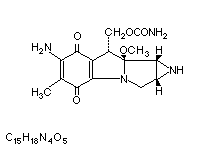
Mitomycin C is a cell cycle-phase nonspecific antineoplastic. Mitomycin is a natural product obtained from Streptomyces caespitosus and is used in the treatment of stomach, pancreatic, breast, colon, head, neck, and lung cancers. Adenocarcinomas of the gastrointestinal tract are particularly sensitive. Mitomycin is an atypical alkylating agent. Mitomycin C is unique for its delayed and deep myelosuppression. There are no other drugs similar to mitomycin on the market. Mitomycin is sometimes referred to as MMC or mitomycin C. Mitomycin was approved by the FDA in 1974. Mitomycin must be metabolized by hepatic microsomal enzymes to be active. The metabolite is an alkylating agent that binds to DNA. RNA usually is not affected. Mitomycin is also capable of creating oxygen free radicals, which damage DNA. The alkylating activity, however, causes the most damage. Both mechanisms lead to interference in DNA replication, transcription of RNA, and nucleic acid function, and both activities contribute to cell death.
Primary Characteristics
It is of Natural origin and belongs to Quinone.
It belongs to Cross Linkage (DNA acting) pharmacological group on the basis of mechanism of action and also classified in Antineoplastic Agent, Antibiotic pharmacological group.
Molecular Weight: 334.3 · Solubility in Water: Slightly soluble · Solubility in Alcohol: high · Non-proprietary name: Mitomycin C.
Pharmacokinetics
Absorption: Mitomycin C has an oral bioavailability is 103%.
Distribution: Mitomycin C has a volume of distribution is 25 l/ sq.meter.
Elimination: plasma half-life is 17 min, 50 min.
Advertisement
Indications
Mitomycin C is primarily indicated in conditions like Bladder carcinoma, Breast cancer, Cervical carcinoma, Lung cancer, Stomach cancer, Upper gastro-intestinal and breast cancer.
Mitomycin C is also indicated for secondary conditions like Colon tumor, Pancreatic tumour, Pancreatic tumour, Soft tissue sarcoma.
Contraindications
Mitomycin C is contraindicated in conditions like Myelosuppression.
Dosage
Mitomycin C's dosage details are as follows:
| Dose | Single Dose | Frequency | Route | Instructions |
|---|---|---|---|---|
| Adult Dosage | ||||
| 15 mg/sq.metre | 15 mg/sq.metre | — | IV Inf | Every 4 to 6 weeks |
| Paediatric Dosage (20kg) | ||||
| No data. | ||||
| Neonatal Dosage (3kg) | ||||
| No data. | ||||
Drug Interactions
Always consult your physician for the change of dose regimen or an alternative drug of choice that may strictly be required.
Side Effects
Mitomycin C in overdosage may give rise to further complications which include Renal damage , Thrombocytopenia , Leucopenia, Diffused pulmonary infiltration.
Mitomycin C produces potentially life-threatening effects which include Hemolytic anemia, Hemolytic anemia, Bone marrow, Suppression. Careful monitoring is needed with proper medical management.
The signs and symptoms that are produced after acute overdosage of Mitomycin C are Severe myelosuppression.
Mitomycin C is known to cause more or less tolerable side effects which are usually transient. These include Alopecia, Cellulitis, Diarrhea, Nausea and vomiting, Stomatitis.
Warnings / Precautions
Available Brands
Storage Conditions
Drug Classification
- 1.8.2 — Cytotoxic (anti-neoplastic) drugs
Manufacturers
Manufacturers of Mitomycin C in Pakistan: