
Methyldopa
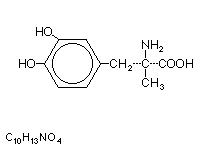
Methyl dopa is a widely used oral antihypertensive agent. Methyldopa is analog of L-dopa. Chemically Methyldopa is identified as L-3-(3, 4-dihydroxyphenyl)-2-methylalanine. After crossing the blood-brain barrier, Methyldopa is decarboxylated to produce alpha-methylnorepinephrine. This metabolite stimulates central inhibitory alpha-adrenergic receptors, thereby reducing peripheral resistance and lowering blood pressure.it also may act as a false transmitter, thereby exerting a direct effect on peripheral sympathetic nerves. Blood pressure decreases are greatest when the patient is standing but are also significant when the patient is supine. Postural hypotension has been reported in patients receiving it. It can cause sodium and fluid retention, and tolerance can develop during long-term therapy.
Primary Characteristics
It is of Synthetic origin and belongs to Phenyl Alanine.
It belongs to Alpha-2 adrenergic agonist pharmacological group on the basis of mechanism of action and also classified in Antihypertensive Agents pharmacological group.
Molecular Weight: 238.2 · pKa: 2.2, 9.2, 10.6, 12 · Solubility in Water: 1 in 100 · Solubility in Alcohol: 1 in 400 · Non-proprietary name: Methyldopa.
Pharmacokinetics
Absorption: Methyldopa has an pre-systemic (first-pass) metabolism accounts for 65% (±25%).
Distribution: Methyldopa has a volume of distribution is 0.4 -0.7 l/kg. plasma protein binding is 10-15%.
Elimination: it is metabolised via Hepatic & Small Intestine, plasma half-life is 1-2 hr, renal excretion is 50%.
Advertisement
Indications
Methyldopa is primarily indicated in conditions like Hypertension, Hypertension in pregnancy, Hypertensive emergencies, Primary hypertension, Renal hypertension.
Methyldopa is also indicated for secondary conditions like Postmenupausal flushing.
Contraindications
Methyldopa is contraindicated in conditions like Hepatic disease, Postural hypotension, Hypersensitivity.
Dosage
Methyldopa's dosage details are as follows:
| Dose | Single Dose | Frequency | Route | Instructions |
|---|---|---|---|---|
| Adult Dosage | ||||
| 1.25 g | 1.25 g | Every 12h | For renal hypertension | |
| 250 – 500 mg | — | Every 12h | PO | For Primary hypertension ,Maximum daily dose is 3g. |
| Paediatric Dosage (20kg) | ||||
| 10 mg/kg | 10 mg/kg | Every 6h | Intra Venous | In 2-4 divided dose is 65 mg/kg, |
| Neonatal Dosage (3kg) | ||||
| 7.5 mg/kg | 7.5 mg/kg | Every 6h | Intra Venous | - |
Drug Interactions
Always consult your physician for the change of dose regimen or an alternative drug of choice that may strictly be required.
Side Effects
Methyldopa in overdosage may give rise to further complications which include Thrombocytopenia , Pancreatitis , Depression , Granulocytopenia , Acute colitis .
Methyldopa produces potentially life-threatening effects which include Hemolytic anemia, Hepatitis , Myocarditis . Careful monitoring is needed with proper medical management.
The signs and symptoms that are produced after acute overdosage of Methyldopa are Bradycardia, Hypotension, Dizziness, Coma, Dry mouth, Hypothermia, Weakness .
Methyldopa is known to cause more or less tolerable side effects which are usually transient. These include Diarrhea, Dizziness, Dry mouth, Eosinophilia, Failure of ejaculation, Fever, Galactorrhea, Impotence, Light headedness, Loss of libido, Nasal congestion , Sedation , Skin rashes.
Warnings / Precautions
Interference in Pathology
Methyldopa may interfere in the diagnosis of Positve Coombs test, interfere with cross matching of Blood , False +ve results in the Watson-Schwartz Method of Testing for Prophobilinogen , Creatinine determination by Alkaline Picrate Method , False +ve Urinary Catecholamine in Fluorimetric Method , Clinest Tabs give false +ve test of glucose , False -ve result of urinary 5-OH indoleacetic acid , Colorimetric measurement of serum asparate aminotransferase .
Available Brands
Storage Conditions
Drug Classification
- 1.12.3.6 — Centrally acting sympathoplegic drugs