
Erythromycin
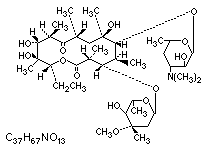
Erythromycin is an intermediate spectrum macrolide antibiotic. It contains two deoxy sugars attached to a 14 atom macroyclic lactone ring. It was obtained in 1952 from Streptomyces erythreus. Erythromycin is effective against most gram positive and certain gram negative bacteria. Erythromycin is administered orally or topically. Antibiotics require constant drug level in body for therapeutic effect. This is achieved by taking the medication at regular interval of time throughout the day and night as prescribed. Erythromycin is important to take the drug for the full time period as prescribed. If you discontinue the therapy, it may result in ineffective treatment.
Primary Characteristics
Erythromycin is also known as Erythromycin (as Esotolate).
It is of Semi Synthetic origin.
It belongs to Antibacterial (Proetin synthesis inhibitor) pharmacological group on the basis of mechanism of action and also classified in Antibiotics pharmacological group.
Molecular Weight: 733.9 · pKa: 8.8 · Solubility in Water: 1 in 1000 · Solubility in Alcohol: 1 in 5 · Non-proprietary name: Erythromycin.
Pharmacokinetics
Distribution: Erythromycin has a volume of distribution is 0.75 l/kg. plasma protein binding is 73-93%.
Elimination: it is metabolised via Hepatic, plasma half-life is 1.5, renal excretion is 5-10%.
Advertisement
Indications
Erythromycin is primarily indicated in conditions like Acne vulgaris, Alternative to penicillin in hypersensitive patients, Bacterial infections, Bone and joint infection, Breast cancer, Bronchitis, Endocarditis, Erythrasma, Eye infections, GI infections, Gonorrhoea, Heart failure, Lower respiratory tract infections, Lymphogranuloma venereum, Ophthalmia neonatorum, Otitis media, Pharyngitis, Pneumonia, Prophylaxis of bacterial endocarditis, Rosacea, Sexually transmitted infections, Sinusitis, Skin infections, Soft tissue infections, Supraventricular arrhythmias (particularly atrial fibrillation), Surgical prophylaxis, Syphilis, Upper respiratory tract infections.
Erythromycin is also indicated for secondary conditions like Diphtheria, Early lyme disease.
Contraindications
Erythromycin is contraindicated in conditions like Hepatic dysfunction, Hypersensitivity.
Dosage
Erythromycin's dosage details are as follows:
| Dose | Single Dose | Frequency | Route | Instructions |
|---|---|---|---|---|
| Adult Dosage | ||||
| 0.5 % | 0.5 % | Every 4h | IV inf | Over 20 to 60 mins |
| 1 – 2 g | — | Every 4h | PO | 4g maximum individed doses |
| 375 mg | 375 mg | Every 4h | PO | For 7-14 days. (In patients with rheumailc Fever or Heart disease or those unable to take penicillin or sulfonamides) |
| Paediatric Dosage (20kg) | ||||
| 18.75 mg/kg | 18.75 mg/kg | Every 4h | Oral | |
| Neonatal Dosage (3kg) | ||||
| 11.718 mg/kg | 11.718 mg/kg | Every 6h | Oral | |
Drug Interactions
Always consult your physician for the change of dose regimen or an alternative drug of choice that may strictly be required.
Side Effects
Erythromycin in overdosage may give rise to further complications which include Tinnitus , Pseudomembranous colitis , Urticaria , Hepatitis , Pancreatitis , Stevens johnson syndrome , Jaundice , Jaundice , Stevens johnson syndrome , Eosinophilia , Thrombophlebitis , Eosinophilia , Interstitial nephritis , Psychosis , Porphyria.
Erythromycin produces potentially life-threatening effects which include Hepatotoxicity , QT prolongation, Severe skin reactions, Torsades de pointes. Careful monitoring is needed with proper medical management.
The signs and symptoms that are produced after acute overdosage of Erythromycin are Nausea, Severe vomiting, Diarrhea, Torsades de pointes, Hearing loss.
Erythromycin is known to cause more or less tolerable side effects which are usually transient. These include Abdominal pain, Anorexia , Cholestasis, Cramps , dizziness, Elevation of liver enzymes, Fever, GI symptoms, Hypersensitivity , Maculopapular rash, Pruritus , Rashes , Reaction at injection site, Skin reactions, Sweating .
Warnings / Precautions
Interference in Pathology
Erythromycin may interfere in the diagnosis of Falsely elevated plasma conc. of Glutamic Oxaloacetic Transaminase in colorimetric assay. .
Available Brands
Click on a strength to view available brands.
Single Ingredient
Storage Conditions
Drug Classification
- 1.6.2.2.4 — Macrolides
- 2.13.2.1 — Antibacterials, topical
Manufacturers
Manufacturers of Erythromycin in Pakistan: