
Ephedrine
Also known as: Ephedrium, Hydiated ephedrine, Epnedrina, Ma-haung
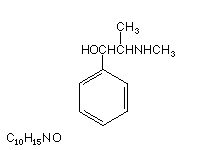
Ephedrine is a plant alkaloid. Ephedrine is now made synthetically. Ephedrine is a mixed action adrenergic agent. It occurs in various plants and has been used in china for over 2000 years. It was introduced in western medicine approximately 70 years ago as the first orally active sympathomimetics drug. Because Ephedrine is a noncatechol phenylisopropylamine. It has high bilavailibilty and long duration of action. Clinically Ephedrine is utilized when a prolonged duration of action is desired, particularly after oral administration. The main applications are as a nasal decongestant and as a pressor agent.
Primary Characteristics
Ephedrine is also known as Ephedrium, Hydiated ephedrine, Epnedrina, Ma-haung, Eedrynum hidratum, Ephedrine HCl.
It is of Natural/Synthetic origin and belongs to Ephedra Alkaloid.
It belongs to Alpha & Beta adrenergic agonist pharmacological group on the basis of mechanism of action and also classified in Alpha-Beta Blocker pharmacological group. It is also classified under Drugs used in Shock .
Molecular Weight: 201.7 · pKa: 9.6 · Solubility in Water: 1 iin 4 · Solubility in Alcohol: 1 in 17 · Non-proprietary name: Ephedrine · pH: 5.9 · Isotonic value: 3.2.
Pharmacokinetics
Absorption: Ephedrine has an oral bioavailability is 75% (±25%).
Distribution: Ephedrine has a volume of distribution is 122-320 litre.
Elimination: it is metabolised via hepatic, plasma half-life is 3-11 hr, renal excretion is > 95%.
Advertisement
Indications
Ephedrine is primarily indicated in conditions like Bronchial asthma, Diabetic neuropathic edema, Hypotension, Narcolepsy, Nasal congestion, Nocturnal enuresis, Reduction of neutropenia-related risk of infection, Reversible airways obstruction.
Ephedrine is also indicated for secondary conditions like CNS stimulation, Myasthenia gravis, Stokes-adams attack.
Contraindications
Ephedrine is contraindicated in conditions like Hypertension, Thyrotoxicosis, Ischaemic heart disease, Prostatic hypertrophy.
Dosage
Ephedrine's dosage details are as follows:
| Dose | Single Dose | Frequency | Route | Instructions |
|---|---|---|---|---|
| Adult Dosage | ||||
| 37.5 mg | 37.5 mg | — | IM,SC | |
| 37.5 mg | 37.5 mg | — | IM,SC,Slow IV | |
| 15 mg | 15 mg | — | IV | Repeated 5 to 10 minutes |
| 0.5 – 1 % | — | — | Nasal drops | for the treatment of nasal congestion. |
| 37.5 mg | 37.5 mg | Every 4h | PO | |
| Paediatric Dosage (20kg) | ||||
| 0.75 % | 0.75 % | — | Nasal | As Required |
| 1.5 mg/kg | 1.5 mg/kg | Every 8h | Oral | - |
| Neonatal Dosage (3kg) | ||||
| 0.75 % | 0.75 % | — | Nasal | As required |
| 0.93 mg/kg | 0.93 mg/kg | Every 8h | Oral | |
Drug Interactions
Always consult your physician for the change of dose regimen or an alternative drug of choice that may strictly be required.
Side Effects
Ephedrine in overdosage may give rise to further complications which include Psychosis , Cardiopathy .
Ephedrine produces potentially life-threatening effects which include Acute cardiovascular stimulation, Central Stimulation. Careful monitoring is needed with proper medical management.
The signs and symptoms that are produced after acute overdosage of Ephedrine are Nausea, Vomiting, Tachycardia , Convulsions , Coma, Respiratory depression, Fever, Palpitations , Respiratory depression, Hypertension, Paranoid psychosis, Respiratory depression.
Ephedrine is known to cause more or less tolerable side effects which are usually transient. These include Anxiety, Headache, Insomnia, Local irritation, Nasal congestion , Restlessness, Tachycardia, Tremors.
Warnings / Precautions
Available Brands
Storage Conditions
Drug Classification
- 1.12.8 — Other cardiovascular preparations
- 2.25.1.1 — Oral/Parenteral antiasthmatics
- 3.25.2.1 — Cold preparations
- 4.25.4 — Nasal preparations
Manufacturers
Manufacturers of Ephedrine in Pakistan: