
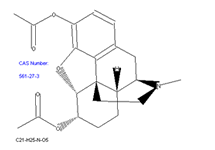
Diamorphine (HCl)
Also known as: Diacetylmorphine HCl
Diamorphine (HCl) is a narcotic analgesic (reliefes the pian with unconsciousness). It relieves moderate to severe pain. It produces feeling of well being.
Primary Characteristics
Diamorphine (HCl) is also known as Diacetylmorphine HCl.
It is of Semi Synthetic origin and belongs to Opioid.
It belongs to OPIATE agonist pharmacological group on the basis of mechanism of action and also classified in Analgesic-Narcotic pharmacological group. It is also classified under Analgesics and Anti-inflammatory Agents .
Molecular Weight: 423.9 · pKa: 7.6 · Solubility in Water: 1 in 1.6 · Solubility in Alcohol: 1 in 12 · Non-proprietary name: Diamorphine (HCl).
Pharmacokinetics
Absorption: Diamorphine (HCl) has an oral bioavailability is 100%, pre-systemic (first-pass) metabolism accounts for 100%.
Distribution: Diamorphine (HCl) has a volume of distribution is 40-50 litre. plasma protein binding is not relevant.
Elimination: it is metabolised via complete (hepatic, Renal, Blood), plasma half-life is 1.7-5.3 hr, renal excretion is entire.
Advertisement
Indications
Diamorphine (HCl) is primarily indicated in conditions like Chronic pain, Cough, Opioid agonist dependence, Severe acute pain.
Contraindications
Diamorphine (HCl) is contraindicated in conditions like Respiratory disease, Biliary colic, Raised intracranial pressure, Head injury.
Dosage
Diamorphine (HCl)'s dosage details are as follows:
| Dose | Single Dose | Frequency | Route | Instructions |
|---|---|---|---|---|
| Adult Dosage | ||||
| 5 – 10 mg | — | Every 4h | IM | ( For Acute pain & chronic pain) |
| 5 mg | 5 mg | — | IV | for pain of myocardial infarction at rate of 1 mg/min. 2.5-5mg can be given more if required. |
| 0.107 mg/kg | 0.107 mg/kg | Every 4h | SC | - |
| Paediatric Dosage (20kg) | ||||
| 0.075 mg/kg | 0.075 mg/kg | Every 4h | Intra Muscular | - |
| 100 – 75 ug/kg | — | Every 4h | IV infusion | 1 to 12 year |
| 12.5 – 25 ug/kg /hr | — | — | IV inj | 1 month to 12 year |
| 100 – 200 mg/kg | — | Every 4h | PO | |
| 0.075 mg/kg | 0.075 mg/kg | Every 4h | Subcutaneous | - |
| Neonatal Dosage (3kg) | ||||
| 0.075 mg/kg | 0.075 mg/kg | Every 4h | Intra Muscular | - |
| 0.075 mg/kg | 0.075 mg/kg | Every 4h | Subcutaneous | - |
Drug Interactions
Always consult your physician for the change of dose regimen or an alternative drug of choice that may strictly be required.
Side Effects
Diamorphine (HCl) in overdosage may give rise to further complications which include Nephrotic syndrome , Pulmonary edema, Thrombocytopenic purpura , Renal amyloidosis , Rhabdomyolysis , Reduced GFR (glomerular filtration rate), Decrease in sexual desire .
The signs and symptoms that are produced after acute overdosage of Diamorphine (HCl) are Nausea, Vomiting, Pulmonary edema , ECG alterations, Confusion , Respiratory depression, Hypothermia, Miosis, Respiratory depression, Dysphoria , Sedation , Respiratory failure, Sinus tachycardia, Rhabdomyolysis , Respiratory depression.
Diamorphine (HCl) is known to cause more or less tolerable side effects which are usually transient. These include Calmness , Constipation , Dependence , Dry mouth, Euphoria, Hypertension , Hypothermia , Mental clouding, Miosis , Nausea, Pruritus , Respiratory depression, Sedation , Spasm of the sphinctor of oddi, SweatingX, Vomiting .
Warnings / Precautions
Interference in Pathology
Diamorphine (HCl) may interfere in the diagnosis of Interfere with the quantification of morphine by radioimmunoassay. .
Available Brands
None recorded.
Storage Conditions
Drug Classification
- 1.2.2 — Opioid analgesics