
Clozapine
Clozapine is antipsychotic drug. Clozapine is used to treat symptoms of Schizophrenia that are not treated by other drugs. It has been associated with bone marrow depression and is used only if hematological monirtoring is arranged.
Primary Characteristics
It is of Synthetic origin and belongs to Diazepine.
It belongs to D2 antagonist pharmacological group on the basis of mechanism of action. It is also classified under Psychotherapeutic Drugs .
Molecular Weight: 326.8 · Solubility in Water: insoluble · Solubility in Alcohol: soluble · Non-proprietary name: Clozapine.
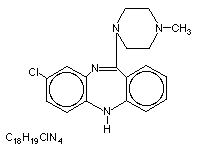
Pharmacokinetics
Absorption: Clozapine has an oral bioavailability is 50%, pre-systemic (first-pass) metabolism accounts for 50%.
Distribution: Clozapine has a volume of distribution is 1.6 l/kg. plasma protein binding is 95%.
Elimination: it is metabolised via Hepatic, plasma half-life is 12 hr, renal excretion is major.
Advertisement
Indications
Clozapine is primarily indicated in conditions like Bipolar disorders, Pituitary diabetes insipidus, Schizophrenia, Schizophrenia and other psychoses, Tremor.
Clozapine is also indicated for secondary conditions like Extrapyramidal disorders, Refractory psychoses.
Contraindications
Clozapine is contraindicated in conditions like Cardiac failure, Renal failure, Coma, Hepatic failure, CNS depression, Myeloproliferative disorders, Hypersensitivity, Uncontrolled epilepsy.
Dosage
Clozapine's dosage details are as follows:
| Dose | Single Dose | Frequency | Route | Instructions |
|---|---|---|---|---|
| Adult Dosage | ||||
| 12.5 mg | 12.5 mg | — | PO | Once or twice on day 1. |
| 25 mg | 25 mg | — | PO | Once or twice on day 2. |
| 37.5 mg | 37.5 mg | Every 12h | PO | Over 2-3 weeks. |
| Paediatric Dosage (20kg) | ||||
| 0 – 0 | — | — | — | Not Recommended in this Age Group |
| Neonatal Dosage (3kg) | ||||
| 0 – 0 | — | — | Not recommended in this age group | |
Drug Interactions
Always consult your physician for the change of dose regimen or an alternative drug of choice that may strictly be required.
Side Effects
Clozapine in overdosage may give rise to further complications which include Bronchospasm , Orthostatic hypotension , Toxic delirium, Eosinophilia , Seizures , Neuroleptic malignant syndrome .
Clozapine produces potentially life-threatening effects which include Agranulocytosis. Careful monitoring is needed with proper medical management.
The signs and symptoms that are produced after acute overdosage of Clozapine are Collapse, Convulsions , Respiratory depression, Extrapyramidal effects , Hypotension, Coma, Cardiac failure, Respiratory depression, Hallucinations , Cardiac arrhythmias, Mydriasis, Delirium, Lethargy.
Clozapine is known to cause more or less tolerable side effects which are usually transient. These include Agitation , Blurred vision, Constipation , Dizziness, Drowsiness, Dry mouth, Fatigue, Headache, Hypersalivation , Influenza like syndrome , Sedation , Syncope , Vertigo, Xerostomia .
Warnings / Precautions
Interference in Pathology
Clozapine may interfere in the diagnosis of WBC count monitoring test.
Available Brands
Storage Conditions
Drug Classification
- 1.24.1 — Drugs used in psychotic disorders