
Dihydrotachysterol
Also known as: Vitamin Dy
Dihydrotachysterol is a form of vitamin D (a fat soluble vitamin). Dihydrotachysterol is used in the treatment and prevention of vitamin deficiency states and in some bone disorders.
Primary Characteristics
Dihydrotachysterol is also known as Vitamin Dy.
It is of Synthetic origin and belongs to Vitamin D.
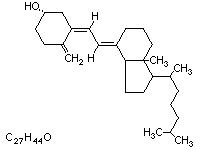
Molecular Weight: 398.7 · Solubility in Water: insoluble · Solubility in Alcohol: soluble · Non-proprietary name: Dihydrotachysterol.
Pharmacokinetics
Distribution: Dihydrotachysterol has a plasma protein binding is >99%.
Elimination: it is metabolised via Liver, renal excretion is Biles and feces.
Advertisement
Indications
Dihydrotachysterol is primarily indicated in conditions like Hypocalcaemia, Hypoparathyroidism, Hypophosphataemia, Renal osteodystrophy, Tetany.
Contraindications
Dihydrotachysterol is contraindicated in conditions like Hypercalcaemia, Hypervitaminosis.
Dosage
Dihydrotachysterol's dosage details are as follows:
| Dose | Single Dose | Frequency | Route | Instructions |
|---|---|---|---|---|
| Adult Dosage | ||||
| 0.6 mg | 0.6 mg | Every 24h | PO | Maintainance dose |
| 1.6 mg | 1.6 mg | — | PO | Initial dose |
| Paediatric Dosage (20kg) | ||||
| No data. | ||||
| Neonatal Dosage (3kg) | ||||
| No data. | ||||
Drug Interactions
None recorded.
Side Effects
Dihydrotachysterol in overdosage may give rise to further complications which include Hypercalcemia , Hyperphosphatemia.
The signs and symptoms that are produced after acute overdosage of Dihydrotachysterol are Headache, Anorexia , Hypercalcemia, Apathy.
Dihydrotachysterol is known to cause more or less tolerable side effects which are usually transient. These include Bone pain, Constipation , Diarrhea, Headache, Lassitude , Metallic taste, Nausea, Polyuria, Somnolence , Sweating , Thirst, Vertigo, Vomiting .
Warnings / Precautions
Interference in Pathology
Dihydrotachysterol may interfere in the diagnosis of Determination of blood calcium level.
Available Brands
None recorded.
Storage Conditions
Drug Classification
- 1.27 — Vitamins, minerals, tonics, and other susbstances