
Lypressin
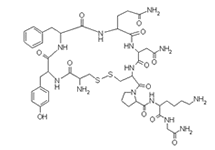
Lypressin is an analogue of vasopressin which is usually prepared synthetically or may be extracted from the posterior lobes of pituitary glands of mamals. Lypressin is used in the treatment of diabetes incipidus due to deficiency in antidiuretic hormone (ADH).
Primary Characteristics
It is of Synthetic origin and belongs to An antidiuretic,vosopressor hormone.
Molecular Weight: 1056.2 · Solubility in Water: Soluble · Non-proprietary name: Lypressin · pH: 3.7.
Pharmacokinetics
None recorded.
Advertisement
Indications
Lypressin is primarily indicated in conditions like Diabetes insipidus.
Contraindications
Lypressin is contraindicated in conditions like Renal diseases.
Dosage
Lypressin's dosage details are as follows:
| Dose | Single Dose | Frequency | Route | Instructions |
|---|---|---|---|---|
| Adult Dosage | ||||
| 1.5 sprays | 1.5 sprays | Every 6h | IN | |
| Paediatric Dosage (20kg) | ||||
| No data. | ||||
| Neonatal Dosage (3kg) | ||||
| No data. | ||||
Drug Interactions
Always consult your physician for the change of dose regimen or an alternative drug of choice that may strictly be required.
Side Effects
Lypressin in overdosage may give rise to further complications which include Hypersensitivity reactions .
Lypressin is known to cause more or less tolerable side effects which are usually transient. These include Cramps , Diarrhea, Headache, Nausea and vomiting, Pallor, Sweating , Tremor.
Warnings / Precautions
Available Brands
None recorded.
Storage Conditions
Drug Classification
- 1.18.12 — Drugs used in diabetes insipidus