
Phenazopyridine (HCl)
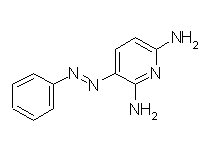
Phenazopyridine (HCl) is azo dye that exerts an analgesic effect on the mucosa of urinary tract and is used to provide relief of pain, burning and irritabilty in conditions such as cystitis and prostatitis. Given in combination with antibacterial in urinary tract infections.
Primary Characteristics
It is of Synthetic origin.
Molecular Weight: 249.7 · Solubility in Water: 1 in 300 · Solubility in Alcohol: 1 in 59 · Non-proprietary name: Phenazopyridine (HCl).
Pharmacokinetics
Elimination: renal excretion is 65 % (unchanged).
Advertisement
Indications
Contraindications
Phenazopyridine (HCl) is contraindicated in conditions like Hepatitis, Renal insufficiency.
Dosage
Phenazopyridine (HCl)'s dosage details are as follows:
| Dose | Single Dose | Frequency | Route | Instructions |
|---|---|---|---|---|
| Adult Dosage | ||||
| 200 mg | 200 mg | Every 8h | PO | |
| Paediatric Dosage (20kg) | ||||
| No data. | ||||
| Neonatal Dosage (3kg) | ||||
| No data. | ||||
Drug Interactions
None recorded.
Side Effects
Phenazopyridine (HCl) in overdosage may give rise to further complications which include Hepatotoxicity , Hemolytic anemia , Methemoglobinemia , Meningitis .
Phenazopyridine (HCl) produces potentially life-threatening effects which include Renal failure. Careful monitoring is needed with proper medical management.
The signs and symptoms that are produced after acute overdosage of Phenazopyridine (HCl) are Methemoglobinemia, Hemolytic anemia, Renal toxicity, Hepatic toxicity.
Phenazopyridine (HCl) is known to cause more or less tolerable side effects which are usually transient. These include GI disturbance, Headache, Rashes .
Warnings / Precautions
Interference in Pathology
Phenazopyridine (HCl) may interfere in the diagnosis of Colorimetric lab. test.
Available Brands
Click on a strength to view available brands.
Single Ingredient
Storage Conditions
Drug Classification
- 1.1.5 — Analgesics and opioid antagonists