
Oxethazaine
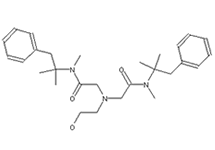
Oxethazaine is amide anesthetic, witha prolong duration of action. Oxethazaine is designated as N, N-bis-(N-methyl-N-phenyl-butyl-acetamide)-betahydroxyethylamine. Oxethazaine is given by mouth along with antacid for the symptomatic relief of gastro-oesophageal reflux disease. Oxethazaine is also used in the ointments and suppositories for the relief of pain associated with haemorrhoids.
Primary Characteristics
It belongs to Phenyl Acetamide.
Molecular Weight: 467.6 · Solubility in Water: practically Insoluble · Solubility in Alcohol: freely soluble · Non-proprietary name: Oxethazaine.
Pharmacokinetics
None recorded.
Advertisement
Indications
Oxethazaine is primarily indicated in conditions like Esophagitis, Oesopghagitis, Reflux oesophagitis.
Oxethazaine is also indicated for secondary conditions like Haemorrhoids, Hemorrhoids.
Contraindications
Oxethazaine is contraindicated in conditions like Hypersensitivity to any component of product.
Dosage
Oxethazaine 's dosage details are as follows:
| Dose | Single Dose | Frequency | Route | Instructions |
|---|---|---|---|---|
| Adult Dosage | ||||
| 7.5 mg | 7.5 mg | Every 8h | PO | |
| Paediatric Dosage (20kg) | ||||
| 0 – 0 | — | — | Not recommended for this age group | |
| Neonatal Dosage (3kg) | ||||
| 0 – 0 | — | — | Not recommended in this age group | |
Drug Interactions
Always consult your physician for the change of dose regimen or an alternative drug of choice that may strictly be required.
Side Effects
The signs and symptoms that are produced after acute overdosage of Oxethazaine are Drowsiness, Dizziness, Fainting .
Oxethazaine is known to cause more or less tolerable side effects which are usually transient. These include Glossitis, Hypersensitivity reactions, Idosyncratic rashes, Pruritus .
Warnings / Precautions
Interference in Pathology
Oxethazaine may interfere in the diagnosis of Monitoring of Serum phosphate levels.
Available Brands
Storage Conditions
Drug Classification
- 1.17.1.1 — Antacids & antiflatulents
- 2.17.3 — Antihemorrhoidals