
Caffeine
Also known as: Methyl Theobromine, Guarinine, Trimethyl xanthine
Caffeine is a mild CNS stimulant. It increases the alertness and is useful in staying awake. Caffeine is a 1,3,7-trimethylxanthine. its major sources are beverages (tea, cocoa and coffee). Caffeine is probably the most widely used social drug worldwide. Caffeine is used in combination to relieve vascular headaches. Caffeine is used paraenterally for the treatment of respiratory depression.
Primary Characteristics
Caffeine is also known as Methyl Theobromine, Guarinine, Trimethyl xanthine.
It is of Natural origin and belongs to Xanthine.
It belongs to Phosphodiesterase inhibitor pharmacological group on the basis of mechanism of action. It is also classified under CNS Stimulant .
Molecular Weight: 194.2 · pKa: 13.9 · Solubility in Water: 1 in 60 · Solubility in Alcohol: 1 in 130 · Non-proprietary name: Caffeine.
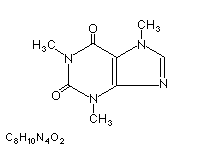
Pharmacokinetics
Absorption: Caffeine has an oral bioavailability is 97% (±2%).
Distribution: Caffeine has a volume of distribution is 0.58 l/kg(Adult), 0.921/kg (neonates). plasma protein binding is 35%.
Elimination: it is metabolised via hepatic, plasma half-life is 1.9-12.2 hr (adults), 40.8-231 hr (neonates).
Advertisement
Indications
Caffeine is primarily indicated in conditions like Apnoea of prematurity, CNS stimulation, Headache, Migraine.
Caffeine is also indicated for secondary conditions like Asthma, Lumbar puncture headache.
Contraindications
Caffeine is contraindicated in conditions like Cardiac arrhythmia, Peptic ulcer.
Dosage
Caffeine's dosage details are as follows:
| Dose | Single Dose | Frequency | Route | Instructions |
|---|---|---|---|---|
| Adult Dosage | ||||
| 150 mg | 150 mg | — | PO,IV | |
| Paediatric Dosage (20kg) | ||||
| 2.5 | 2.5 | — | Intravenous | Maintenance |
| 10 mg/kg | 10 mg/kg | — | Intravenous | Load for Once |
| 2.5 mg/kg | 2.5 mg/kg | — | Oral | Maintenance, As Required |
| 10 mg/kg | 10 mg/kg | — | Oral | Load for Once |
| Neonatal Dosage (3kg) | ||||
| 2.5 | 2.5 | — | Intravenous | Maintenance |
| 10 mg/kg | 10 mg/kg | — | Intravenous | Load for Once |
| 2.5 mg/kg | 2.5 mg/kg | — | Oral | Maintenance, As Required |
| 10 mg/kg | 10 mg/kg | — | Oral | Load for Once |
Drug Interactions
Always consult your physician for the change of dose regimen or an alternative drug of choice that may strictly be required.
Side Effects
Caffeine in overdosage may give rise to further complications which include Tachycardia , Caffeinism , Irregular fever , Insomnia , Anorexia , Anxiety , Irritability , CNS stimulation, Diuresis, Tachycardia.
Caffeine produces potentially life-threatening effects which include Tinnitus, Nausea, Vomiting, Tachycardia, Anxiety, Hypersensitivity , Diuresis, Palpitation , Shock , Urticaria, Hyperglycemia, Restlessness, Agitation. Careful monitoring is needed with proper medical management.
The signs and symptoms that are produced after acute overdosage of Caffeine are Tachycardia , Emesis, Diuresis, CNS stimulation, Metabolic acidosis, Ketosis, Hyperglycemia, Acetonuria .
Caffeine is known to cause more or less tolerable side effects which are usually transient. These include Anorexia , Anxiety, Epigastric pain, Insomnia, Irritability, Nausea, Restlessness, Tremors, Vomiting .
Warnings / Precautions
Interference in Pathology
Caffeine may interfere in the diagnosis of Determ. of Uric Acid Conc. in bio. fluids by colorimetric method utilizing phosphotungistic acid. .
Available Brands
Storage Conditions
Drug Classification
- 1.7.1 — Acute migraine attack
- 2.25.1.1 — Oral/Parenteral antiasthmatics
Manufacturers
Manufacturers of Caffeine in Pakistan: