
Dibekacin
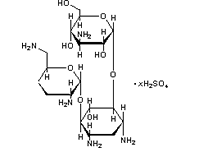
Dibekacin is aminoglycoside antibiotic. Dibekacin is used to treat a variety of bacterial infections, such as skin infections, respiratory and urinary tract infections.
Primary Characteristics
It is of Semi Synthetic origin and belongs to Aminoglycoside.
It belongs to Antibacterial (Proetin synthesis inhibitor) pharmacological group on the basis of mechanism of action.
Molecular Weight: 451.5 · Solubility in Water: null · Solubility in Alcohol: null · Non-proprietary name: Dibekacin.
Pharmacokinetics
None recorded.
Advertisement
Indications
Dibekacin is primarily indicated in conditions like Endocarditis, Prostatitis, Respiratory tract infections, Skin infections, Soft tissue infections, Surgical infections, Urinary tract infection.
Contraindications
Dibekacin is contraindicated in conditions like Hypersensitivity to the drug.
Dosage
Dibekacin's dosage details are as follows:
| Dose | Single Dose | Frequency | Route | Instructions |
|---|---|---|---|---|
| Adult Dosage | ||||
| 1 – 3 mg | — | Every 12h | IM,IV Inf | Daily in divided doses. |
| Paediatric Dosage (20kg) | ||||
| 1.5 mg/kg | 1.5 mg/kg | Every 24h | Intramuscular | |
| Neonatal Dosage (3kg) | ||||
| 3.5 mg/kg | 3.5 mg/kg | Every 24h | Intramuscular | |
Drug Interactions
None recorded.
Side Effects
Dibekacin produces potentially life-threatening effects which include Nephrotoxicity, Acute Renal Failure , Acute renal failure, Ototoxicity. Careful monitoring is needed with proper medical management.
Dibekacin is known to cause more or less tolerable side effects which are usually transient. These include Azotemia, Decreased Glomerular, dizziness, Hearing loss, Hypersensitivity , Muscular paralysis, Respiratory depression, Vertigo.
Warnings / Precautions
Available Brands
None recorded.
Storage Conditions
Drug Classification
- 1.6.2.2.5 — Aminoglycosides