
Atropine (Sulphate)
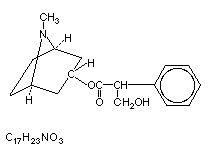
Atropine is a parasympatholytic derivative of belladona plants (e.g., deadly nightshade). Chemically Atropine (Sulphate) is identified as 1aH, 5aH-Tropan-3a-ol (+/-)-tropate (ester) sulfate. Atropine (Sulphate) is a cholinergic antagonist. It relaxes muscles in the eye causing the pupil to dilate. Atropine (Sulphate) is a both central and peripheral muscarinic blocking agent.Atropine (Sulphate) is used intravenously in the treatment of bradycardia and anticholinesterase poisoning. its most common adverse effects include dry mouth, blurred vision, glaucoma and retention of urine
Primary Characteristics
Atropine (Sulphate) is also known as Atropine.
It is of Semi Synthetic origin and belongs to Tropane Alkaloid.
It belongs to Cholinergic muscarinic antagonist pharmacological group on the basis of mechanism of action and also classified in Antidiarrhoeals pharmacological group. It is also classified under Gastrointestinal Anticholinergics/Antispasmodics .
Molecular Weight: 694.8 · pKa: 9.9 · Solubility in Water: 1 in 1 · Solubility in Alcohol: 1 in 4 · Non-proprietary name: Atropine (Sulphate) · pH: 5 · Isotonic value: 8.85.
Pharmacokinetics
Absorption: Atropine (Sulphate) has an oral bioavailability is 95%, pre-systemic (first-pass) metabolism accounts for 0.5% (±0.5%).
Distribution: Atropine (Sulphate) has a volume of distribution is 1-6 l/kg. plasma protein binding is 50%.
Elimination: it is metabolised via partial by liver, plasma half-life is 2-5 hr, renal excretion is >30%.
Advertisement
Indications
Atropine (Sulphate) is primarily indicated in conditions like Anesthesia, Arrhythmias after myocardial infarction, As an antidote to organophosphorous (insecticides) poisoning, Asthma, Cardiopulmonary resuscitation, Choroiditis, Control of muscarinic side-effects of neostigmine, Diarrhoea, Drying secretions, Dysenteries, Intra-operative bradycardia, Iridocyclitis, Irritable colon syndrome, Myocardial infarction, Peptic ulcer, Poisoning, Pyloric disease, Tetanus.
Contraindications
Atropine (Sulphate) is contraindicated in conditions like Glucoma, Reflux oesophagitis, Prostatic hypertrophy, Unstable cardiac rhythm.
Dosage
Atropine (Sulphate)'s dosage details are as follows:
| Dose | Single Dose | Frequency | Route | Instructions |
|---|---|---|---|---|
| Adult Dosage | ||||
| 0.75 mg | 0.75 mg | — | IM | Over30-60 Minutes, As Required |
| 0.75 mg | 0.75 mg | — | IV | As Required |
| 1 % | 1 % | Every 12h | Ophthalmic | drops. |
| 0.9 mg | 0.9 mg | — | PO | |
| Paediatric Dosage (20kg) | ||||
| 15 ug/kg | 15 ug/kg | — | Intra Muscular | Single Dose |
| 15 ug/kg | 15 ug/kg | — | Intra Venous | Single Dose |
| 1 % | 1 % | — | Opthalmic | As Required |
| 15 ug/kg | 15 ug/kg | — | Subcutaneous | Single Dose |
| Neonatal Dosage (3kg) | ||||
| 15 ug/kg | 15 ug/kg | — | Intramuscular | Single dose |
| 15 ug/kg | 15 ug/kg | — | Intravenous | Single dose |
| 15 ug/kg | 15 ug/kg | — | Subcutaneous | Single dose |
Drug Interactions
Always consult your physician for the change of dose regimen or an alternative drug of choice that may strictly be required.
Side Effects
Atropine (Sulphate) in overdosage may give rise to further complications which include Delirium , Restlessness , Drowsiness , Confusion , Hallucinations , Disturbance of speech .
Atropine (Sulphate) produces potentially life-threatening effects which include Tachycardia, Cardiac arrhythmia, Atrioventricular dissociation, Multiple ventricular ectopics. Careful monitoring is needed with proper medical management.
The signs and symptoms that are produced after acute overdosage of Atropine (Sulphate) are Urinary hesitancy, Dry mouth, Constipation, Flushing, Blurred vision, Drowsiness.
Atropine (Sulphate) is known to cause more or less tolerable side effects which are usually transient. These include Dry mouth, Mild blurring of vision, Thirst.
Warnings / Precautions
Interference in Pathology
Atropine (Sulphate) may interfere in the diagnosis of Screening Test for the Presence of Barbiturate in Serum .
Available Brands
Storage Conditions
Drug Classification
- 1.1.3 — preoperative medication and sedation
- 2.4.2.3 — Organophosphate and carbamate poisoning
- 3.17.5 — Antispasmodics
- 4.21.5 — Mydriatics, Cycloplegics