
Capecitabine
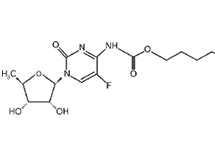
Capecitabine is an antimetaboite antineoplastic (anticancer) drug,which is metabolised to fluorouracil. Capecitabine is given by mouth and used as amonotherapy for metastatic colorectal carcinoma. Capecitabine is also licensed for second line treatment of locally advanced or metastatic breast cancer either in combination ao alone.
Primary Characteristics
It is of Synthetic origin.
Molecular Weight: 359.4 · Non-proprietary name: Capecitabine.
Pharmacokinetics
None recorded.
Advertisement
Indications
Capecitabine is primarily indicated in conditions like Breast cancer, Metastatic, Metastatic colorectal cancer.
Contraindications
None recorded.
Dosage
Capecitabine's dosage details are as follows:
| Dose | Single Dose | Frequency | Route | Instructions |
|---|---|---|---|---|
| Adult Dosage | ||||
| 1.25 g/m2 | 1.25 g/m2 | Every 12h | PO | For 14 days. Subsequent courses repeated after 7-day interval. |
| Paediatric Dosage (20kg) | ||||
| No data. | ||||
| Neonatal Dosage (3kg) | ||||
| No data. | ||||
Drug Interactions
Always consult your physician for the change of dose regimen or an alternative drug of choice that may strictly be required.
Side Effects
Capecitabine in overdosage may give rise to further complications which include Hyperbilirubinemia, Thrombocytopenia .
Capecitabine is known to cause more or less tolerable side effects which are usually transient. These include Abdominal pain, Anorexia , Constipation , Dermatitis, Desquamation of hands, Diarrhea, Erythema, Eye irritation, Fatigue, Fever, Nausea, Paresthesias, StomatitisX, Vomiting .
Warnings / Precautions
Available Brands
None recorded.
Storage Conditions
Drug Classification
- 1.8.2 — Cytotoxic (anti-neoplastic) drugs