
Isopropyl Unoprostone
Also known as: Unoprostone Isopropyl
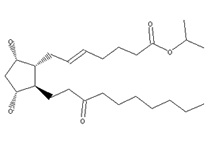
Isopropyl Unoprostone is synthetic analogue of dinoprost (prostaglandin F-2a) that is used topically as the isopropyl ester for the treatment of glaucoma and ocular hypertension.
Primary Characteristics
Isopropyl Unoprostone is also known as Unoprostone Isopropyl.
It is classified in Antiglaucoma pharmacological group. It is also classified under Opthalmic Products .
Molecular Weight: 424.6 · Solubility in Water: null · Solubility in Alcohol: null · Non-proprietary name: Isopropyl Unoprostone.
Pharmacokinetics
None recorded.
Advertisement
Indications
Isopropyl Unoprostone is primarily indicated in conditions like Glucoma, Ocular hypertension.
Contraindications
Isopropyl Unoprostone is contraindicated in conditions like Intraocular hypertension, Hypersensitivity to any component of product.
Dosage
Isopropyl Unoprostone's dosage details are as follows:
| Dose | Single Dose | Frequency | Route | Instructions |
|---|---|---|---|---|
| Adult Dosage | ||||
| 0.06 mg | 0.06 mg | Every 12h | Ophthalmic | - |
| 0.12 % | 0.12 % | Every 12h | Ophthalmic | drops. |
| Paediatric Dosage (20kg) | ||||
| No data. | ||||
| Neonatal Dosage (3kg) | ||||
| No data. | ||||
Drug Interactions
None recorded.
Side Effects
Isopropyl Unoprostone is known to cause more or less tolerable side effects which are usually transient. These include Blurring of vision, Conjunctival hyperemia, Corneal changes, Dermatitis, Dryness , Headache, Keratitis, Nausea and vomiting, Numbness , Ocular irritation and pain, Palpitation.
Warnings / Precautions
Interference in Pathology
Isopropyl Unoprostone may interfere in the diagnosis of Falsely elevated values of serum bilirubin.
Available Brands
None recorded.
Storage Conditions
Drug Classification
- 1.21.4.5 — Prostaglandin analogues